



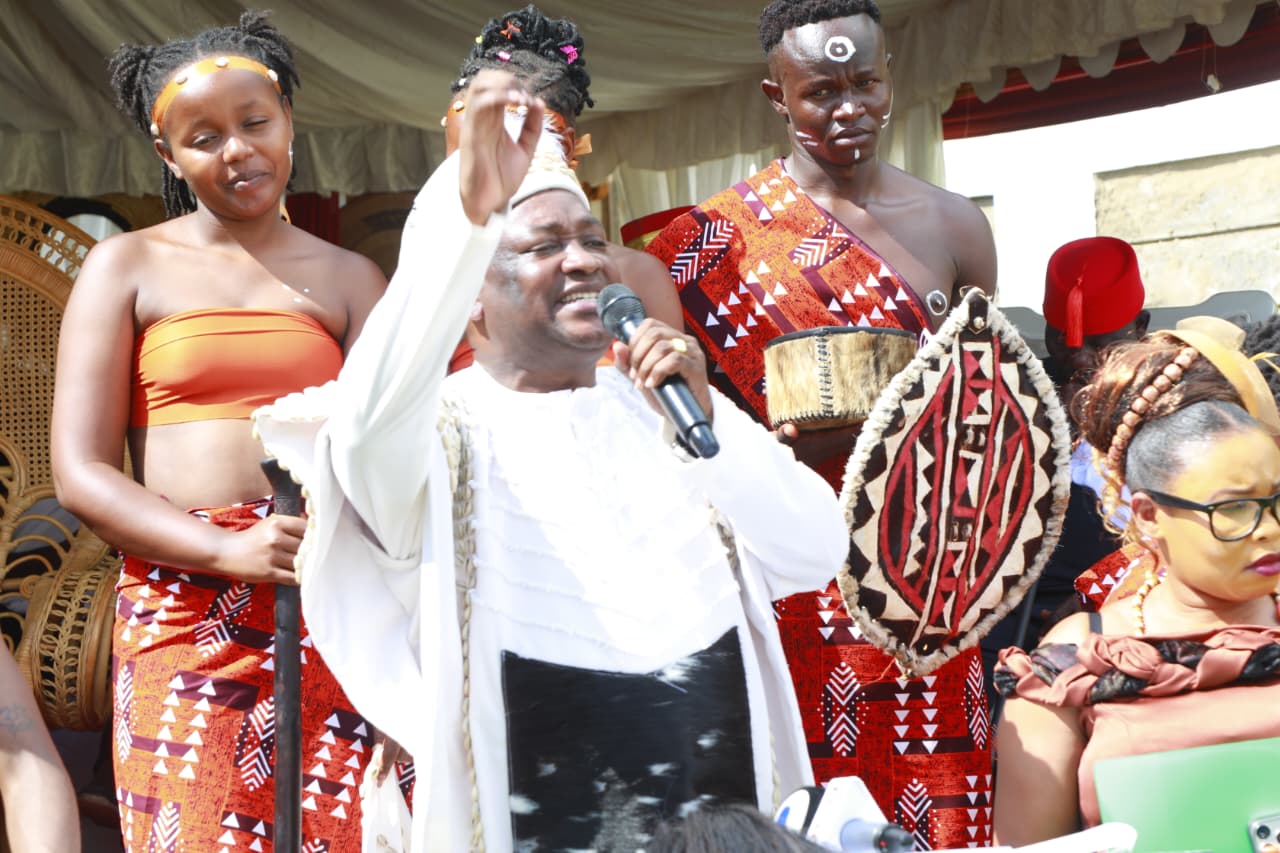
A few days after his installation as the first traditional chief of the Anzauni Clan in more than seven decades, Dr Augustus Kyalo Muli has embarked on his first international engagement, taking the history and cultural aspirations of the Akamba community to a continental gathering in Addis Ababa, Ethiopia.
Now known as His Royal Highness Chief Kyalo Muli I, the former Anzauni Clan Patron is attending the African Traditional Leaders Forum 2026, where he is serving as a special guest, speaker and moderator of a session examining the role of traditional governance, indigenous economies and sustainable development in Africa.
His participation marks a significant transition in his leadership journey, from coordinating Anzauni community affairs as patron to assuming a traditional leadership position that he says should help preserve the clan’s identity while advancing its social and economic interests.
📊 Channel 15 News Opinion Poll
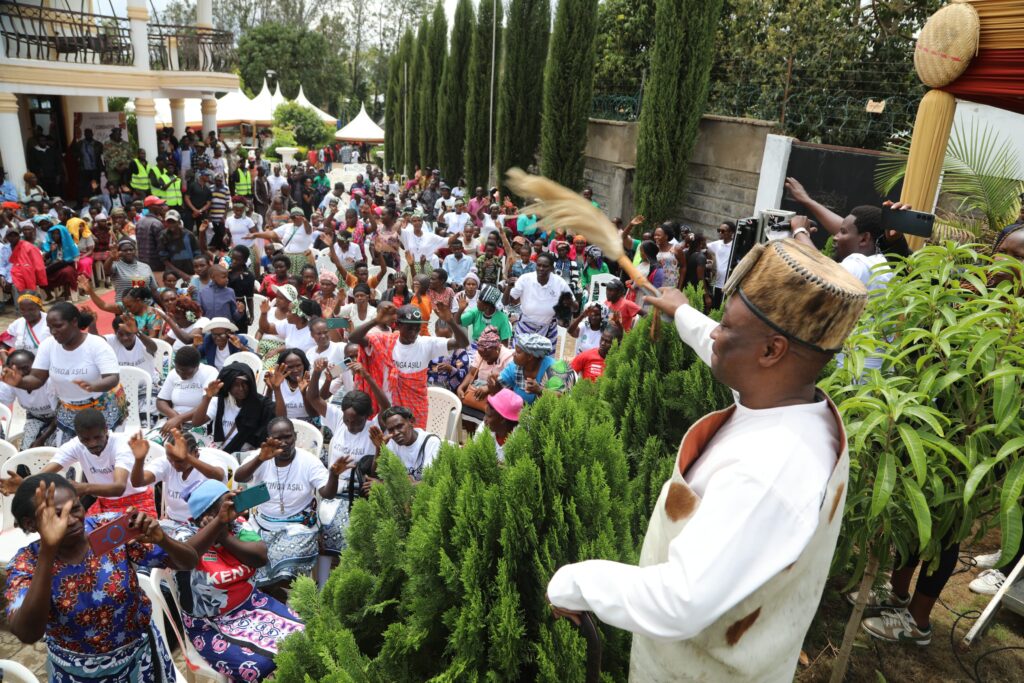
The forum brings together traditional leaders to examine how indigenous institutions can contribute to Africa’s development, particularly through cultural preservation, community governance and the promotion of local economic systems.
Muli is moderating Thematic Session Four, which focuses on Traditional Governance, Indigenous Economies and Sustainable Development. Discussions are expected to examine the recognition and institutional strengthening of traditional leadership structures, alongside opportunities to transform cultural heritage and indigenous knowledge into drivers of economic development.
For the Anzauni community, his participation offers an opportunity to introduce its history, traditions and aspirations to a wider African audience.
Following his installation on October 31, 2026, at Misuuni, Ngiini Village, in Kitui County, Muli outlined an agenda focused on rebuilding and strengthening the Anzauni traditional institution.
Among his priorities are the establishment of a permanent Anzauni headquarters, a cultural centre and museum, as well as an Anzauni Welfare Association to coordinate community welfare and strengthen social solidarity.
He has also identified the documentation of Anzauni history, preservation of Akamba heritage and indigenous knowledge, and promotion of community enterprises linked to cultural tourism as key areas requiring attention.
The Anzauni chiefdom was revived following more than 70 years without a recognised traditional chief. His installation brought together clan elders, cultural leaders and members of the community from different parts of Kenya and neighbouring Tanzania.
Beyond its ceremonial significance, the restoration of the institution has raised expectations about the role traditional leadership can play in preserving cultural identity and bringing communities together around shared development priorities.
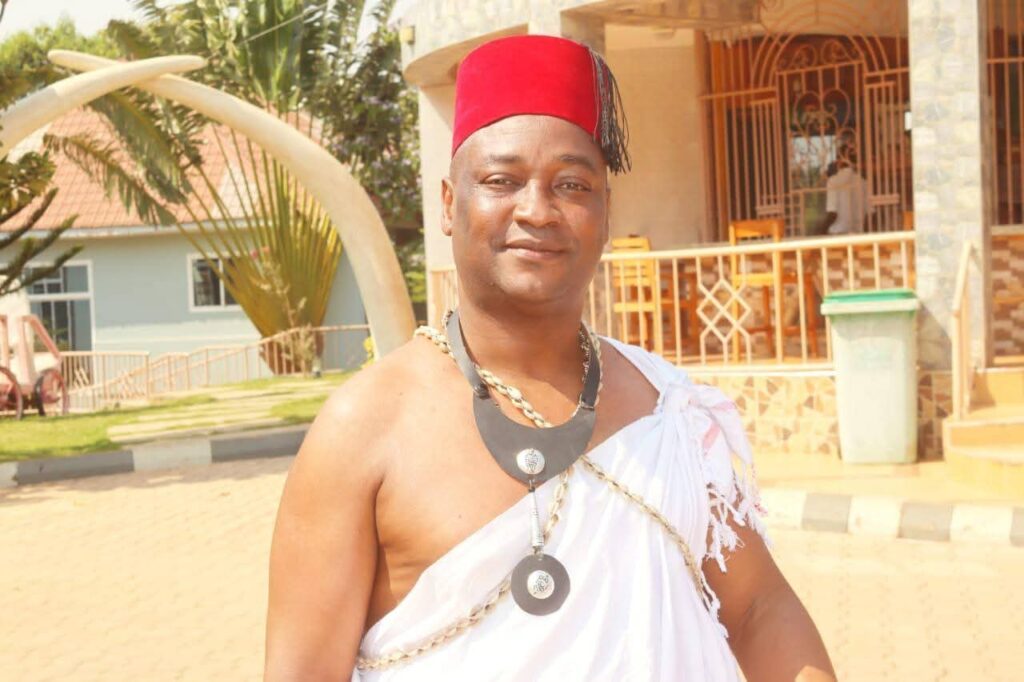
Muli’s participation in the Addis Ababa forum now places those ambitions within a broader continental conversation on the relevance of traditional institutions in modern African societies.
The key test, however, will be how the international engagement translates into practical initiatives for the Anzauni community and the wider Akamba population back home.
