



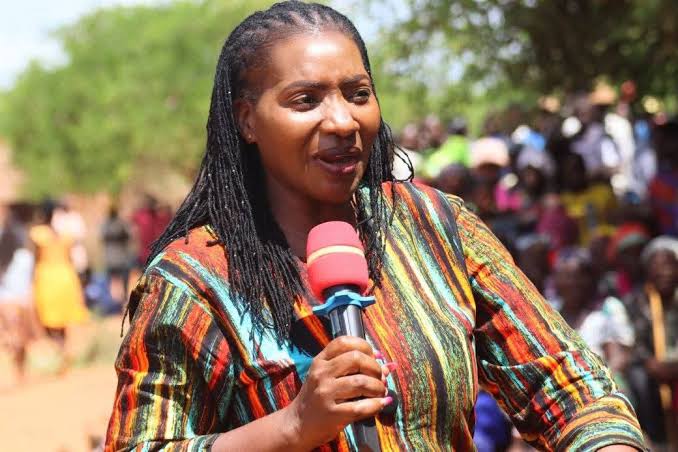
Kitui South is among constituencies facing scrutiny over the management and documentation of bursary funds, with audit findings reported for the 2023/2024 financial year raising questions about whether millions of shillings intended to support needy students can be fully accounted for.
The constituency, represented by Rachel Kaki Nyamai since March 2013, is listed among areas where bursary disbursements faced documentation gaps that limited verification by auditors. The reported figure for Kitui South is KSh52,738,368, placing the constituency within a wider national accountability concern involving the National Government Constituencies Development Fund (NG-CDF).
The findings raise questions about the records maintained for bursary awards, the process used to identify beneficiaries and the evidence required to demonstrate that money allocated for students reached the intended institutions.
📊 Channel 15 News Opinion Poll
The audit queries do not, on their own, establish that the money was stolen or that beneficiaries never received assistance. They point to a fundamental public finance question: can the responsible fund managers produce sufficient evidence to account for the expenditure?
Kitui South at the centre of the accountability question
Kitui South is one of eight constituencies in Kitui County and has received NG-CDF allocations over successive financial years for education and other eligible national government development projects.
The constituency’s education funding is particularly important to families who depend on bursaries to keep children in secondary schools and tertiary institutions.
Where bursary records are incomplete, the immediate concern is not merely an accounting discrepancy. It becomes difficult for oversight bodies and the public to independently establish who qualified for assistance, how beneficiaries were selected and whether payments were properly acknowledged.
The reported KSh52.7 million figure should therefore be examined alongside the underlying audit schedules, including the specific financial year, the nature of the documentation gaps and any management explanations or corrective measures recorded in the final audit process.
The Office of the Auditor-General publishes constituency-level NG-CDF audit reports. Parliament’s repository also lists a report on Kitui South for the financial year ended June 30, 2023, providing a separate reporting period that must not be confused with the 2023/2024 bursary findings.
A national problem beyond Kitui South
The concerns in Kitui South form part of a wider pattern of bursary accountability issues reported across the country.
Figures drawn from reporting on the Auditor-General’s 2023/2024 findings indicate that several constituencies had substantial bursary disbursements that could not be adequately verified because of missing supporting documentation.
The reported figures include KSh125.9 million for Awendo, KSh91.9 million for Embakasi South, KSh83 million for South Imenti, KSh80.2 million for Embakasi Central and KSh73 million for Isiolo South.
Kitui West was also reported to have KSh50.6 million in bursary disbursements facing similar scrutiny.
These figures illustrate the scale of the documentation and accountability challenge. They should not be interpreted as proof that every shilling was lost or misappropriated. The specific audit findings, including the status of supporting records and management responses, determine what can properly be concluded in each constituency.
The pattern nevertheless raises questions about whether bursary management systems consistently document applications, vetting decisions, beneficiary lists and receipts from schools or colleges.
The legal requirement on bursary allocations
The NG-CDF framework contains requirements governing how constituency funds are managed and how bursary allocations are handled.
The draft findings identify Regulation 21(5) of the NG-CDF Regulations, 2016, as the provision relevant to a minimum bursary allocation threshold of 25 per cent. Before publication, the precise wording and application of this provision should be checked against the official regulations and the specific audit report.
The original draft also cites a 2021/2022 financial-year budget of approximately KSh206.4 million for Kitui South, with KSh25.4 million allocated to secondary and tertiary bursaries. Those figures would amount to approximately 12.3 per cent of the stated budget, below the cited 25 per cent threshold.
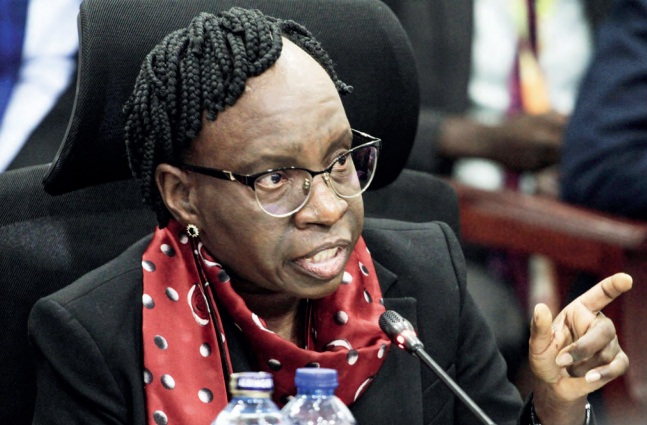
However, the underlying 2021/2022 audit pages and the precise calculation of the alleged KSh26.2 million shortfall require confirmation before these amounts are presented as established findings. They should not be conflated with the separate 2023/2024 bursary documentation queries.
If confirmed, the two sets of findings would raise distinct questions: whether the constituency complied with the applicable bursary allocation requirement in the earlier financial year and whether its later bursary disbursements were supported by adequate records.
Other audit concerns require scrutiny
The original investigation draft also identifies procurement and financial management issues in Kitui South, including a reported KSh420,000 expenditure on motor vehicle hire without original Kenya Revenue Authority tax receipts, concerns over low-value procurement procedures and the absence of a disaster recovery or business continuity plan.
It further raises questions about the completion of projects, including works associated with Ikanga Teachers Training College and electrical installations serving the South Eastern Kenya University Mutomo campus and Kenya Medical Training College facilities.
These issues should be treated as separate audit lines of inquiry. Each requires confirmation against the relevant report, including the amount involved, the audit finding, the response from constituency management and whether any corrective action was subsequently taken.
Project delays, unsupported expenditure and bursary documentation gaps are not interchangeable findings. Their significance depends on the evidence recorded in each case.
Parliamentary compensation and the public accountability debate
The bursary findings have emerged against a wider debate over public spending priorities, including the remuneration and benefits of elected representatives.
The Salaries and Remuneration Commission is the constitutional body responsible for setting and reviewing the remuneration and benefits of state officers, including members of Parliament.
A comparison between parliamentary compensation and constituency bursary spending can illustrate the different public responsibilities attached to national leadership and grassroots education funding. However, any specific salary or allowance figures must be tied to the relevant official remuneration schedule and period.
The central issue is not whether elected representatives are legally entitled to their approved compensation. It is whether public funds entrusted to constituency development programmes are properly allocated, documented and used for their intended purposes.
For families relying on bursaries, incomplete records can undermine confidence in the fairness and transparency of the process, even where the available evidence does not establish that money was misappropriated.
Questions that require answers
The findings leave several questions for the relevant NG-CDF officials and oversight bodies.
Can the Kitui South NG-CDF management provide complete bursary beneficiary lists, vetting records and acknowledgements from the institutions that received the funds?
What explanations were given for the specific audit queries, and have the missing documents or discrepancies since been resolved?
Did the constituency meet the applicable bursary allocation requirements in the financial years cited, and what evidence supports the reported figures?
What progress has been made on the projects flagged for delays, and have any unspent project balances been accounted for in accordance with the applicable rules?
Channel 15 News will seek responses from the Kitui South NG-CDF management and the relevant oversight authorities on these issues. Their responses, together with any additional documentary evidence, are necessary to establish the full picture.
The bottom line
The Kitui South findings are part of a wider national debate about the accountability of public funds intended to support education and development.
The reported KSh52.7 million in bursary disbursements requiring scrutiny makes the constituency an important case study in whether public money can be traced from allocation to the intended beneficiary.
For students and families who depend on bursaries, accountability means more than allocating money on paper. It means transparent selection, reliable records, verifiable payments and clear answers whenever auditors raise questions.
The evidence must determine the conclusions. Where records are missing, the public deserves an explanation; where irregularities are established, the responsible authorities must act in accordance with the law.
