


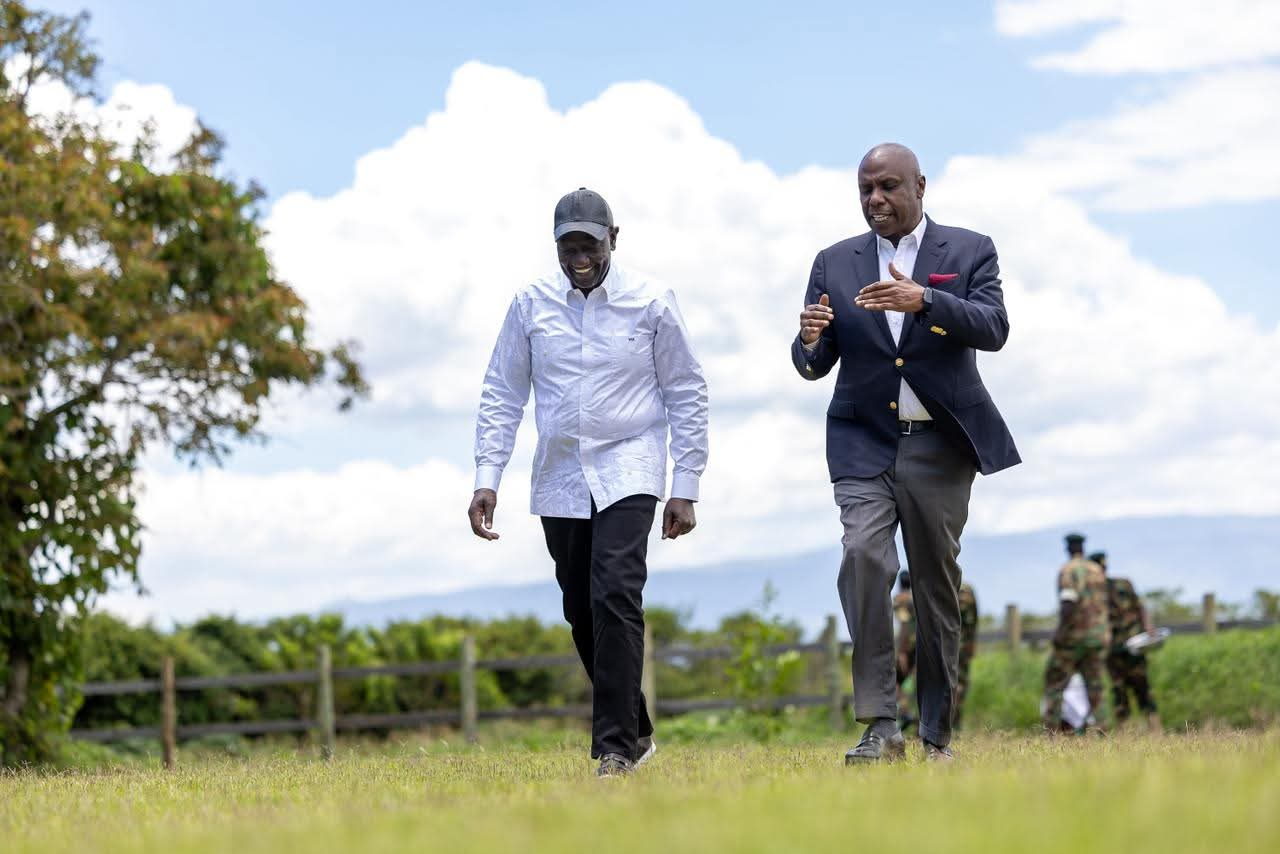
KANU chairman Gideon Moi has accused President William Ruto of failing to honour a political agreement tied to his withdrawal from the Baringo senatorial by-election, revealing how the death of former Prime Minister Raila Odinga allegedly prolonged a dispute that has strained relations between the two leaders.
Moi, who has now publicly expressed regret over his decision to work with Ruto, said he waited for months for the President to resolve outstanding issues under their agreement, only for the promised settlement to remain elusive.
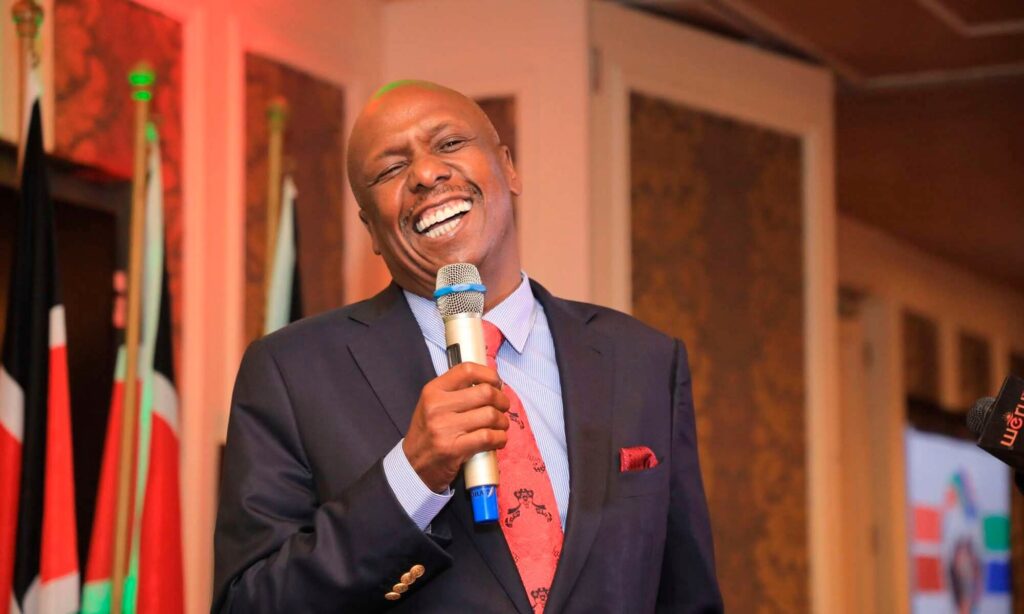
Speaking in his Kalenjin dialect during a meeting with Kalenjin elders at his Kabarak home in Nakuru County on Friday, the former Baringo senator revisited the political understanding reached during their widely publicised rapprochement in October last year.
Moi said he had sought commitments on development projects for Baringo residents rather than personal benefits, insisting that his decision to step aside in the senatorial by-election was influenced by promises intended to address the needs of his constituents.
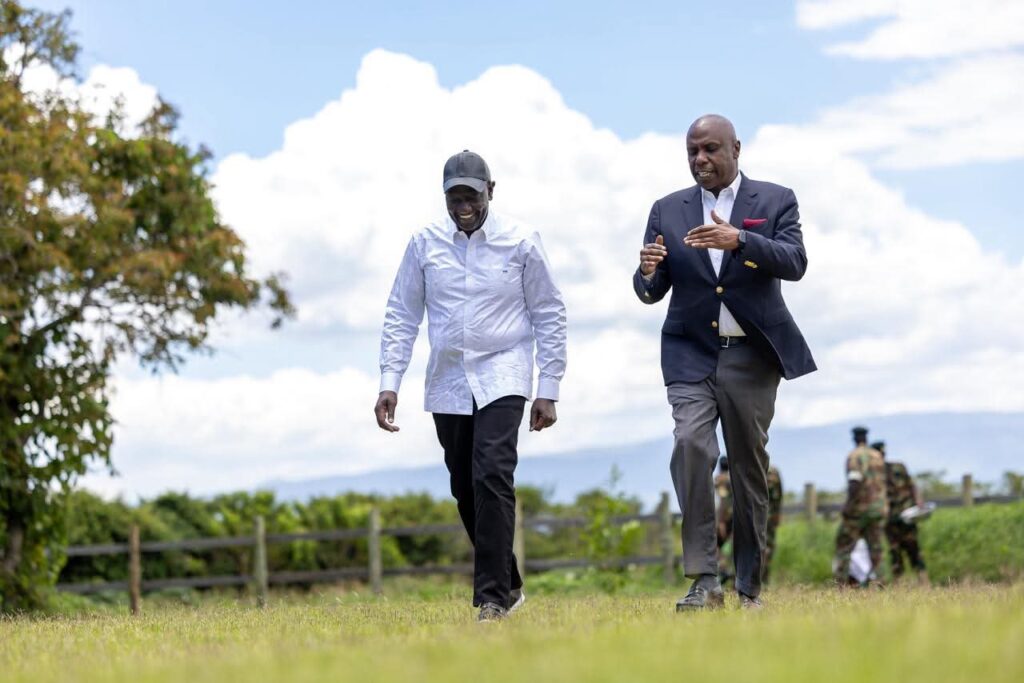
“In everything, I didn’t ask for a personal thing. I want this, I want this business… no. I asked for specific things for the people of Baringo that I had not accomplished,” he said.
The KANU chairman identified Raila’s death as a turning point in the dispute, claiming that Ruto asked him to give the matter more time before a resolution could be reached.
However, Moi said the delay dragged on without the commitments being addressed.
“Raila’s death came up… he told me, ‘Wait for some time, we finish this matter.’ I waited and waited until now,” he said.
His account places the unresolved agreement at the centre of the renewed political differences between the two leaders, with Moi accusing the President of failing to complete development projects he says were part of their understanding.
Moi also dismissed allegations that he was using the Standard Group media house to advance political attacks against Ruto, describing the claims as a distraction from the outstanding commitments.
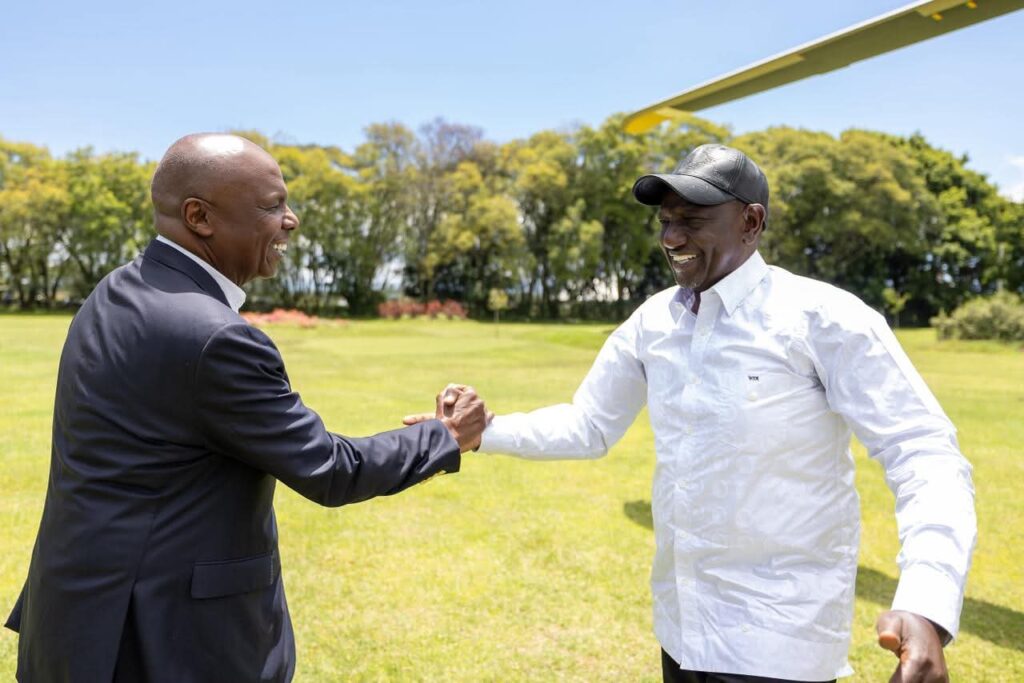
“For me, this is pedestrian talk. Side shows. Implement what the agreement was. He said, ‘Gideon this, Gideon this. The sponsor of these people is Gideon.’ Do I look like a journalist, that I am writing the headlines at night?” he posed.
In a further sign of the political fallout, Moi apologised to members of his Kalenjin community over his decision to cooperate with the President, saying he had acted in good faith.
“Please forgive me… my Kalenjin people, I did what I did with a clean heart,” he said.
The remarks suggest that Moi is reconsidering the political decision that brought him closer to Ruto, although he did not outline his next course of action.
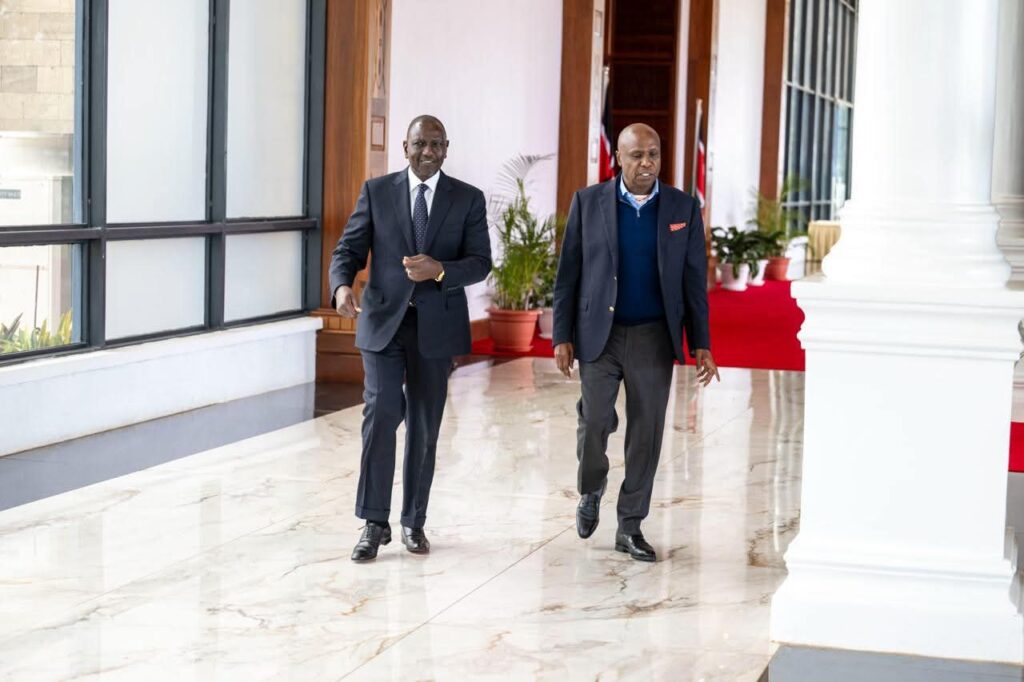
The dispute follows earlier accusations by Ruto that Moi was sponsoring opposition activities, including through newspaper headlines the President claimed were intended to undermine his administration.
“Kama si hizo headlines za Gideon Moi za Standard, hakuna mahali mngekuwa,” Ruto said at the time.
Moi’s latest remarks have shifted attention back to the alleged agreement and the development commitments he says remain unfulfilled, setting the stage for further scrutiny of the political understanding that underpinned his decision to step aside in Baringo.
