



The race for the Mwingi North parliamentary seat has burst into life more than a year before Kenyans head to the ballot, with businessman and security expert Hon. Michael Kavate Kanyanya officially declaring his candidature and setting the stage for what could become one of the fiercest political contests in Wiper Party’s traditional strongholds.
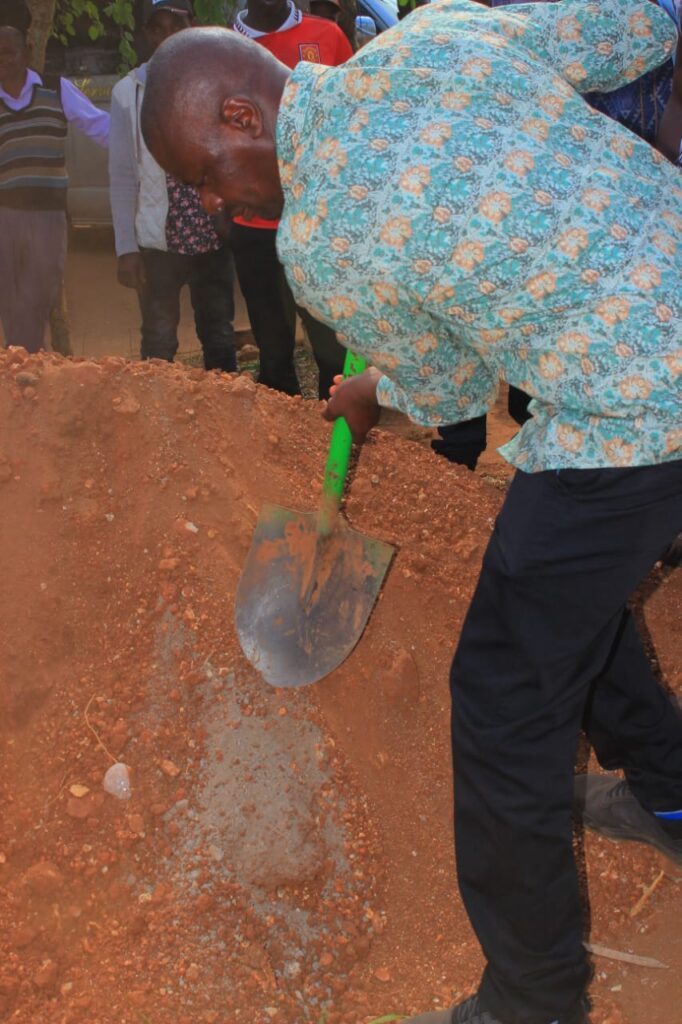
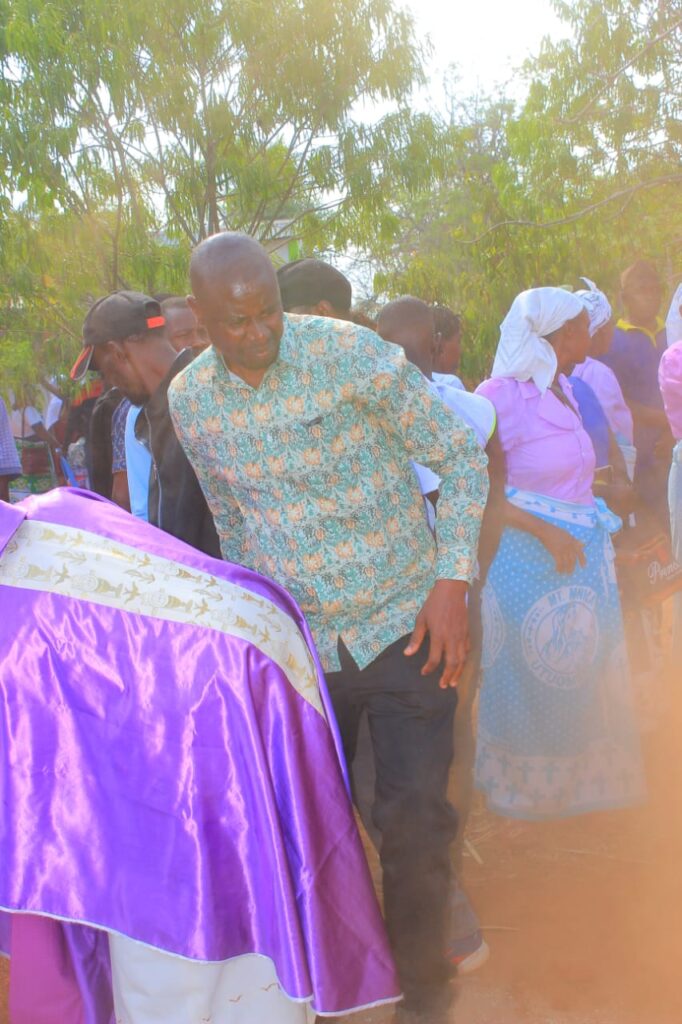
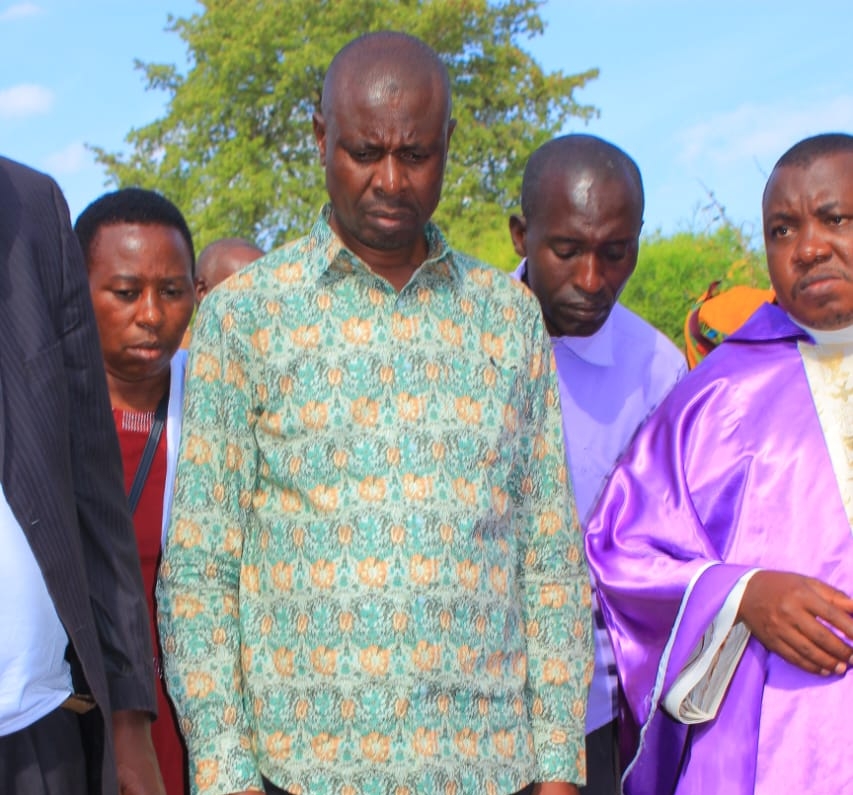
Kanyanya made the declaration on Thursday while addressing mourners during the burial of Agnes Wisyake in Wangutu Village, Katse, where he pledged to seek the Wiper Party ticket in the 2027 General Election.
His announcement immediately thrusts the constituency into the national political spotlight as attention turns to incumbent MP Paul Nzengu, who first captured the seat in the 2017 General Election before securing a second consecutive term in 2022.
The early declaration signals that unlike previous election cycles, the 2027 contest could begin years before formal campaigns are allowed.
Wiper’s backyard
Few constituencies carry as much symbolic importance within the Wiper Party as Mwingi North.
Situated in Kitui County, the constituency forms part of the political base of Wiper leader Kalonzo Musyoka, making every parliamentary contest closely watched both locally and nationally.
Political analysts note that in such constituencies, securing the party nomination is often viewed as the biggest hurdle because Wiper has historically enjoyed overwhelming electoral support in the region.
With Kanyanya now entering the race, attention is expected to shift from whether Wiper will retain the seat to who will eventually carry the party’s flag.
The incumbent’s record
Paul Nzengu heads into the approaching election cycle with the advantages of incumbency.
During his tenure, the MP has overseen NG-CDF-funded education projects, classroom construction, bursary programmes and infrastructure initiatives while maintaining visibility across the constituency.
His supporters argue that continuity remains important to complete ongoing development projects.
Whether he will seek another term has yet to be formally announced.
A new challenger emerges
Kanyanya, however, believes the constituency is ready for a different style of leadership.
For several years, the businessman has steadily expanded his presence through philanthropic activities including payment of school fees, clearing hospital bills, supporting community fundraising initiatives and engaging youth and women’s groups across Mwingi North.
His supporters argue that his visibility on the ground has transformed him from a businessman into a serious political contender capable of mounting a formidable challenge.
Speaking after declaring his candidature, Kanyanya said his campaign would focus on servant leadership, economic empowerment, education and restoring public confidence in leadership.
Security remains a defining issue
Beyond politics, security continues to dominate conversations across sections of Mwingi North.
Communities living near the border areas have for years experienced incidents of livestock theft, insecurity and conflicts linked to neighbouring counties.
Residents have repeatedly appealed for increased police deployment, better roads, improved telecommunications and stronger government presence in remote areas.
As campaigns gather momentum, security is expected to once again become one of the defining issues shaping the choice of the next Member of Parliament.
Analysts say whichever candidate convinces voters that they can effectively champion lasting security solutions may gain a significant political advantage.
Early battle lines drawn
Although the election remains more than a year away, Thursday’s declaration has effectively fired the starting gun.
Political mobilisation is already intensifying across the constituency as leaders quietly build alliances and grassroots networks ahead of the expected Wiper nominations.
Whether the race ultimately becomes a two-horse contest or attracts more aspirants remains to be seen.
What appears increasingly certain is that Mwingi North is shaping up to be one of Kitui County’s most closely watched parliamentary races.
In Kalonzo Musyoka’s political backyard, every move will matter, every endorsement will be scrutinised and every village meeting could influence the direction of a contest whose outcome may define the constituency’s political future.
