


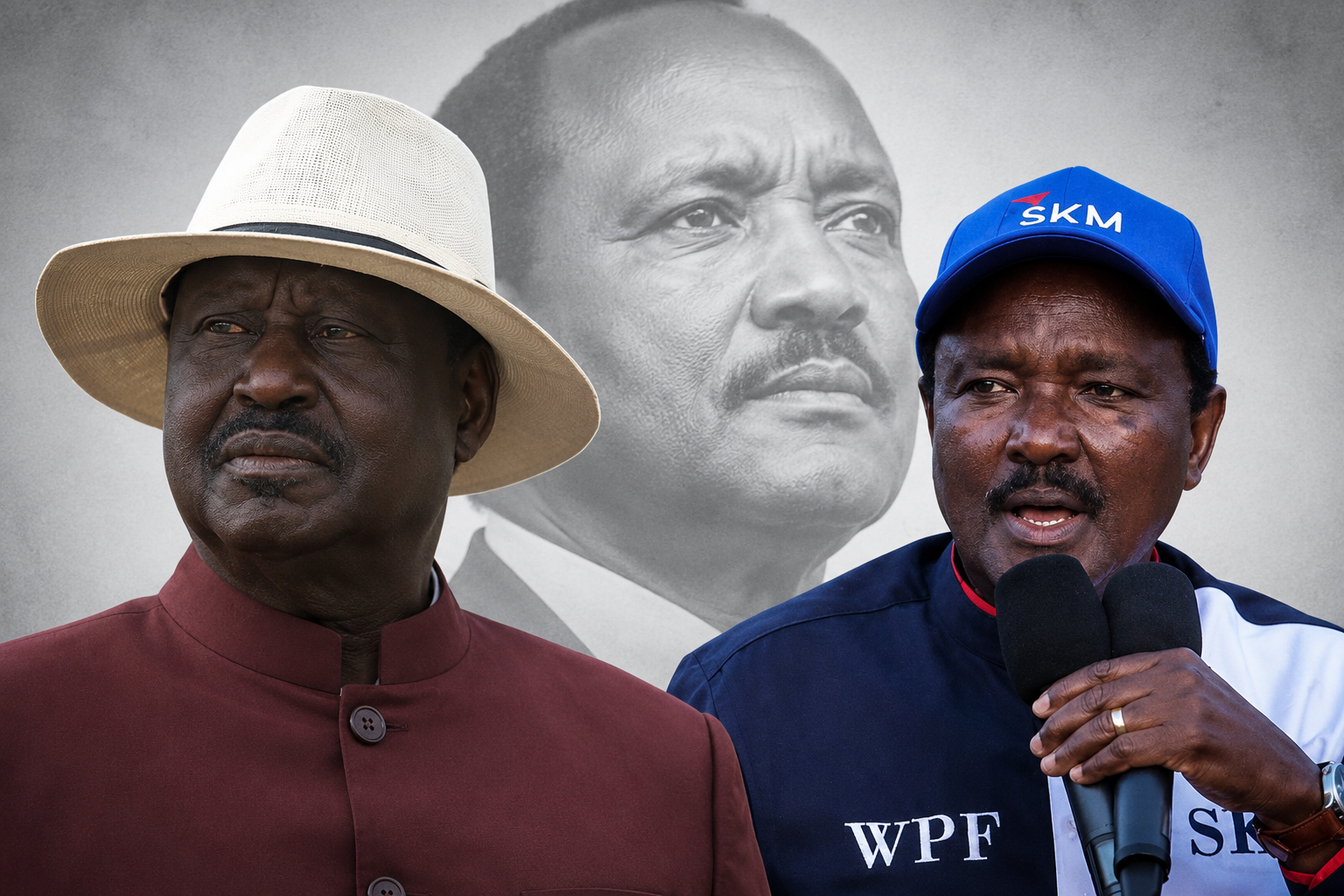
For more than three decades, Kalonzo Musyoka and Raila Odinga have walked side by side through Kenya’s turbulent political landscape.
They have served in the same coalitions. Campaigned on the same platforms. Fought the same political battles.
Yet history appears to remember them very differently.
Today, as the opposition searches for its next standard-bearer, Kalonzo finds himself confronting a question that has followed him throughout his political career: can he truly step out of Raila Odinga’s shadow?
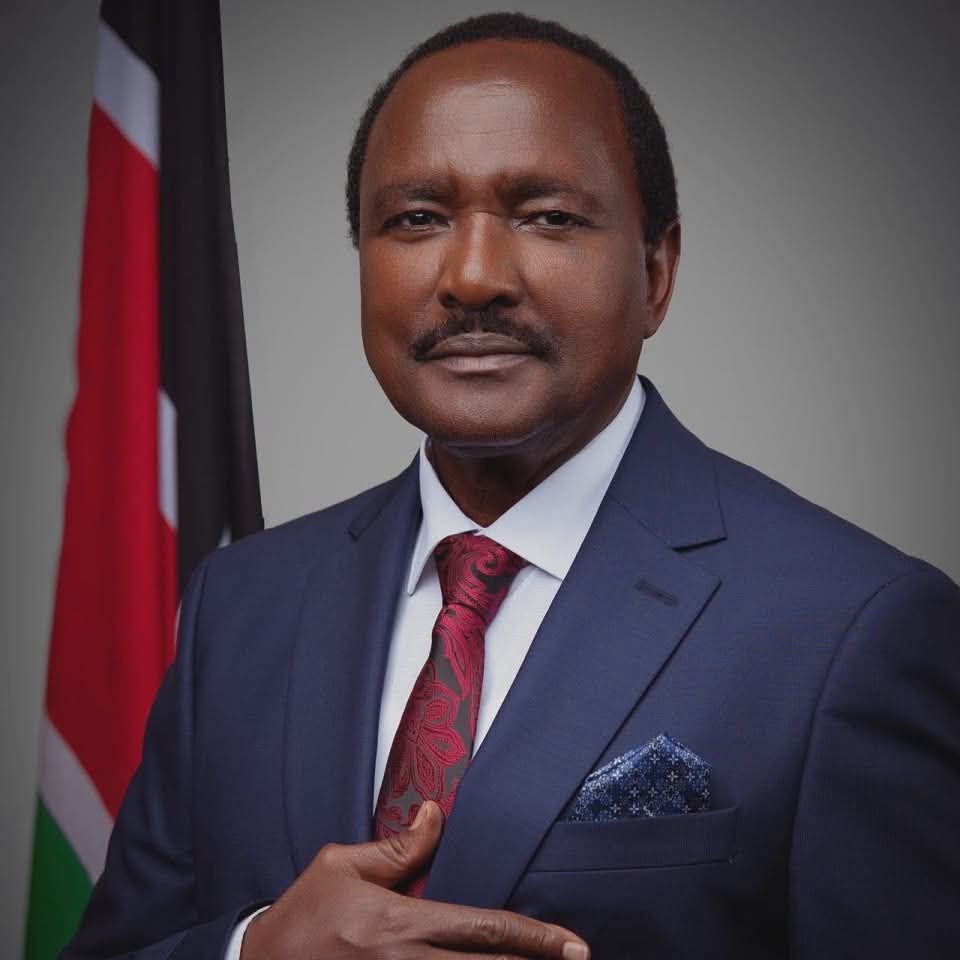
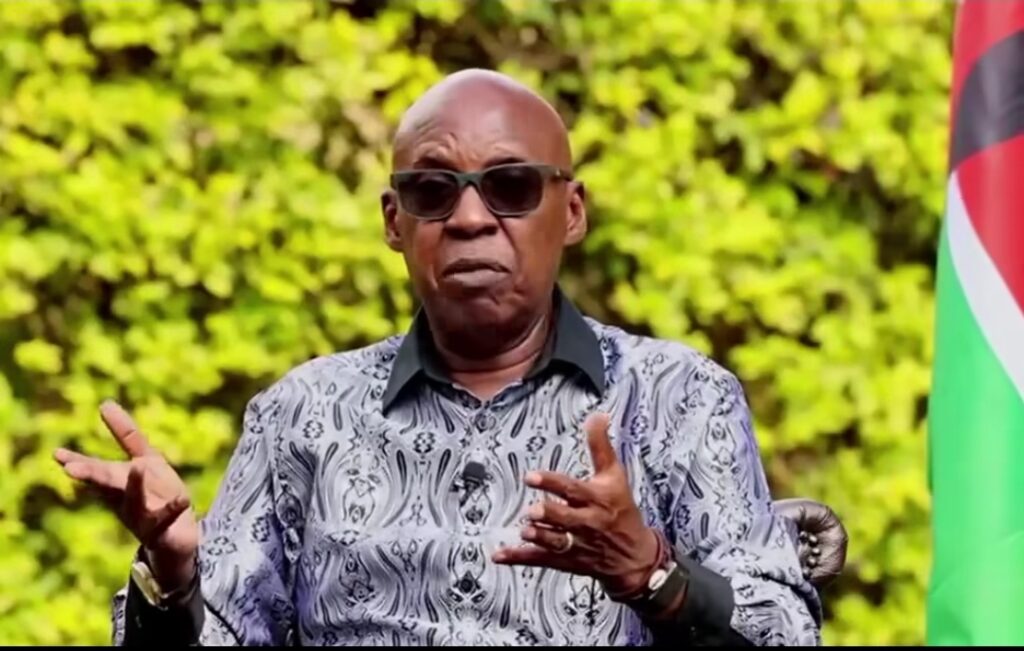
The debate was reignited this week after Safina Party leader Jimi Wanjigi suggested that Kalonzo lacks the political force necessary to drive a national movement.
The criticism touches on an uncomfortable reality in Kenyan politics.

While Raila Odinga built a reputation as a political warrior willing to challenge the establishment at great personal cost, Kalonzo has often been viewed as a cautious coalition player who thrives in negotiated settlements rather than political confrontation.
The contrast stretches back to the dark days of the Moi era.
Raila emerged as one of the most recognisable faces of the struggle for multiparty democracy. He endured detention without trial, harassment and political persecution. His name became synonymous with resistance politics and the fight against authoritarian rule.
When the opposition fragmented and regrouped through the 1990s, Raila remained at the centre of Kenya’s reform movement.
He did not merely join political waves.
He created them.
From the National Development Party to the famous cooperation agreement with KANU, from the “Kibaki Tosha” declaration of 2002 to the Orange movement that defeated the proposed constitution in 2005, Raila repeatedly demonstrated an ability to reshape Kenya’s political direction.
His greatest political strength was not necessarily winning elections.
It was building movements.
The Orange Democratic Movement became more than a political party. It became a national political force with loyal grassroots structures stretching from Kisumu to Mombasa, Nairobi to Turkana.
Even after losing presidential contests, Raila’s influence often appeared undiminished.
The disputed 2007 election culminated in the Grand Coalition Government, where Raila served as Prime Minister under President Mwai Kibaki in the famous “Nusu Mkate” arrangement.
A decade later, following another bitter election dispute, Raila stunned the nation by taking the symbolic oath as the “People’s President” in 2018.
It was a move that electrified supporters and demonstrated his continued ability to command political attention.
Months later came the Handshake with President Uhuru Kenyatta, a decision that once again altered the country’s political trajectory.
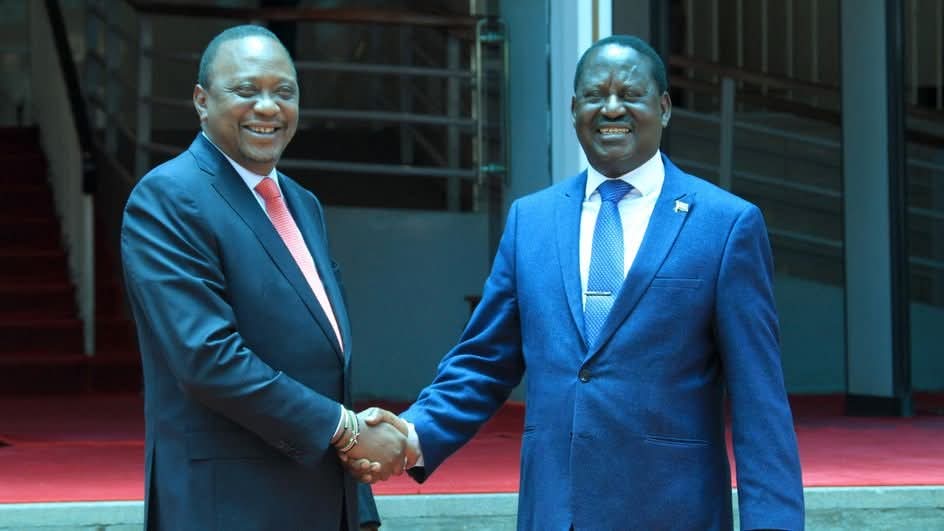
When many believed Raila’s career was winding down, he repositioned himself at the centre of national politics.
Even after the 2022 election defeat, Raila remained one of the most influential political voices in the country, eventually engaging President William Ruto in ways that continue to shape national conversations.
His critics may dispute his decisions.
Few dispute his impact.
Kalonzo’s journey tells a different story.
The Wiper leader has accumulated one of the most impressive résumés in Kenyan politics.
He has served as Foreign Affairs Minister, Vice President, Member of Parliament and a key player in numerous coalition governments.
Few politicians can match his experience.
Yet despite this long public service, Kalonzo has often struggled to establish an independent political identity powerful enough to rival those of Raila, Kibaki, Uhuru or Ruto.

His supporters describe him as measured, diplomatic and patient.
His critics describe him as overly cautious.
Throughout much of his career, Kalonzo has frequently found himself in supporting roles rather than commanding positions.
When Raila mobilised mass movements, Kalonzo often emerged as a coalition partner.
When Raila took political risks, Kalonzo generally preferred negotiation and consensus.
Even within opposition politics, many voters continue to associate Kalonzo’s biggest moments with alliances forged around stronger political personalities.
That perception may explain why questions about his leadership persist despite decades in public life.
Unlike Raila, whose influence penetrated regions far beyond his Nyanza stronghold, Kalonzo’s political base has remained heavily concentrated in Ukambani.
The challenge facing Kalonzo today is therefore not experience.
It is expansion.
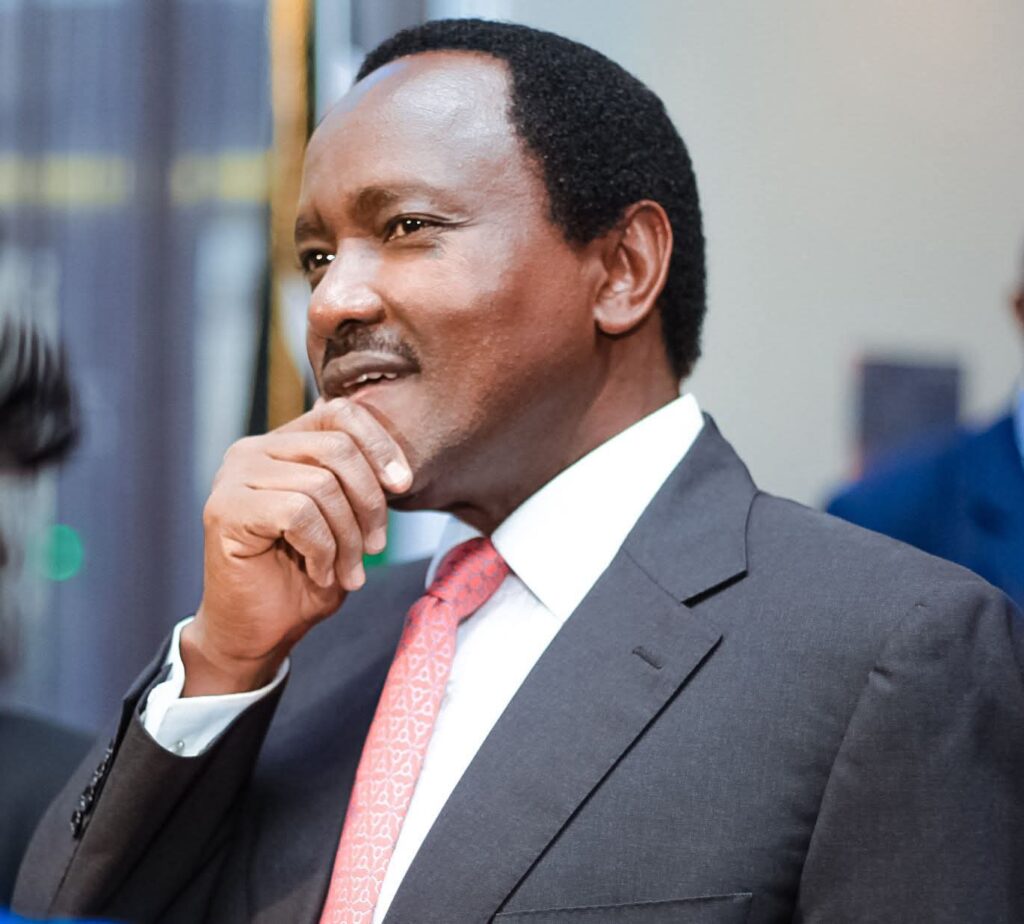
Can he transform decades of political goodwill into a national movement?
Can he inspire the emotional loyalty that has sustained Raila through victories, defeats, betrayals and reinventions?
Can he convince younger voters that he represents the future rather than the unfinished business of Kenya’s past opposition politics?
Those questions have become increasingly urgent as the race toward 2027 begins to take shape.
For years, Kalonzo was viewed as Raila’s most loyal ally.
Today he is expected to become his own man.
The difficulty is that Raila Odinga leaves behind enormous political shoes.
Not because he always won.
But because he changed the game.
And as Kenya’s opposition enters a new chapter, Kalonzo Musyoka must prove that he can do more than inherit a movement.
He must show that he can build one.
That, ultimately, is the challenge at the heart of Jimi Wanjigi’s criticism.
And perhaps the defining political test of Kalonzo Musyoka’s career.
