


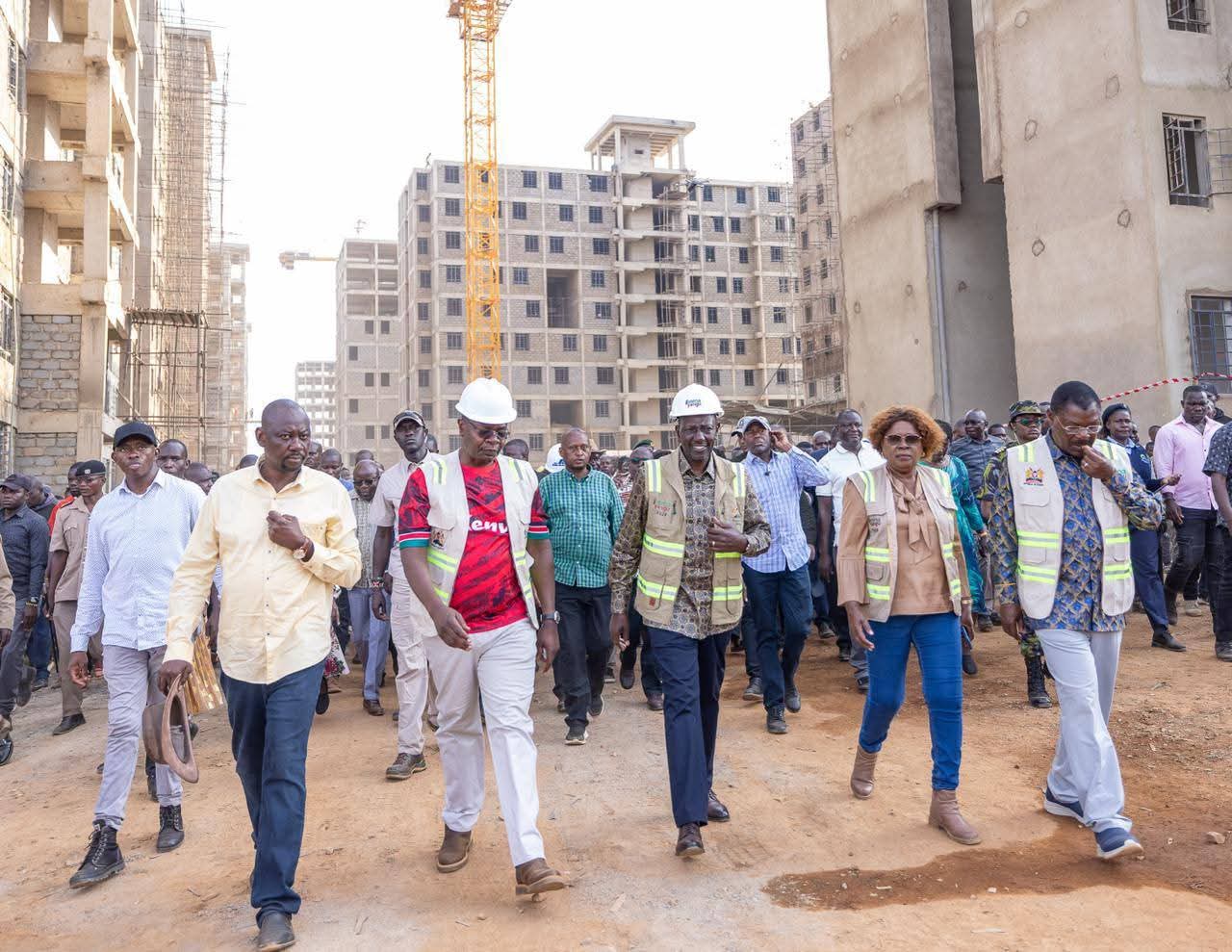
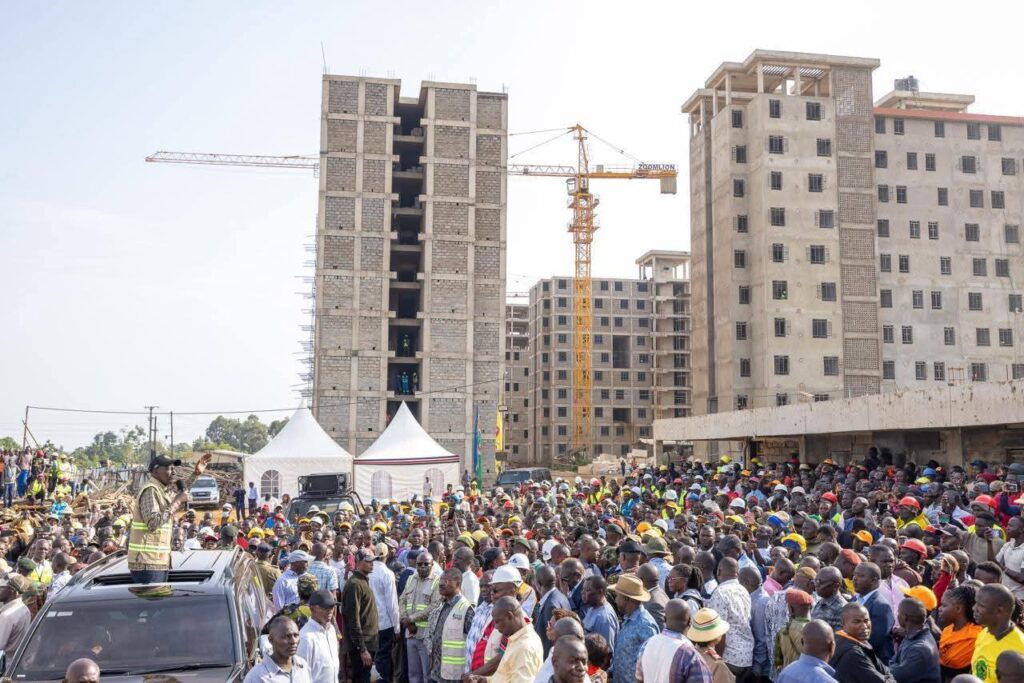
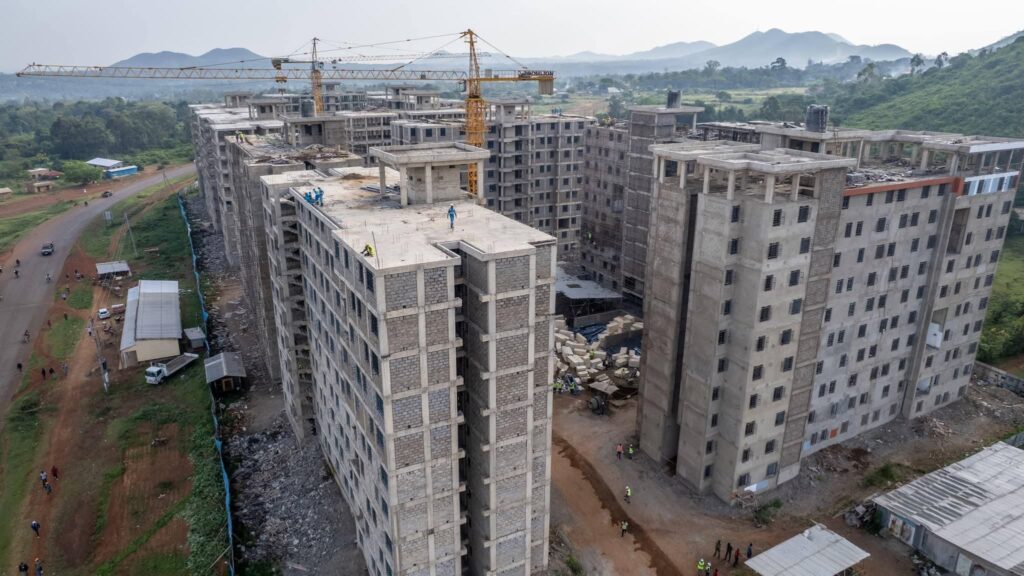
Kenya’s ambitious affordable housing agenda—one of President William Ruto’s flagship projects—is now staring at possible delays after a major budget cut triggered alarm in Parliament.
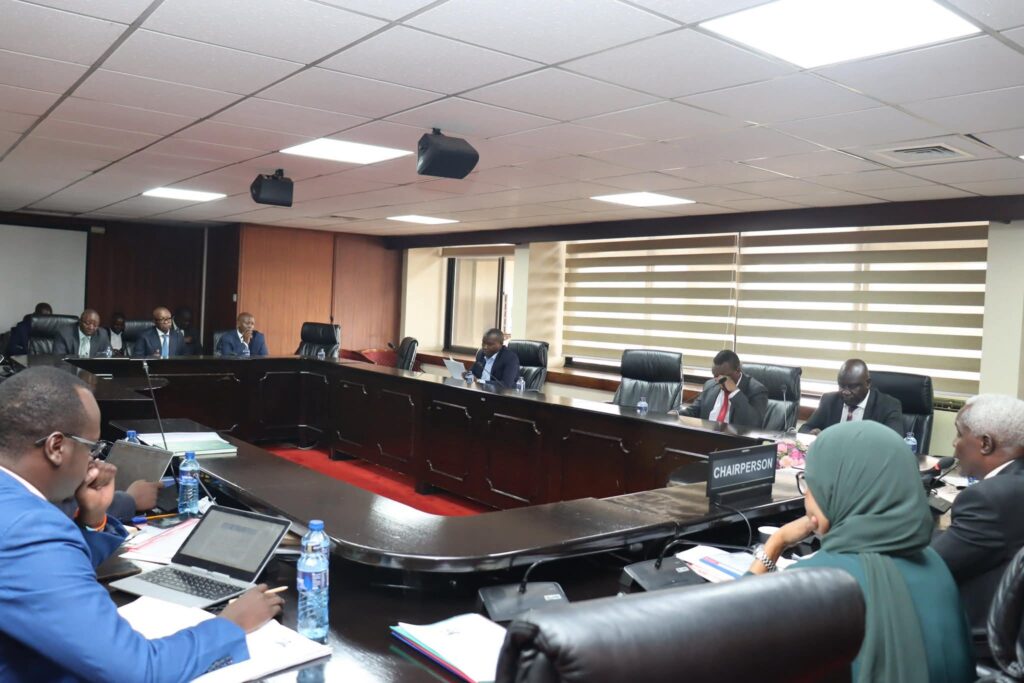
Appearing before a parliamentary committee at the Parliament Buildings on Wednesday, March 18, 2026, Principal Secretary for Housing Charles Hinga warned that ongoing projects could stall if urgent funding gaps are not addressed.
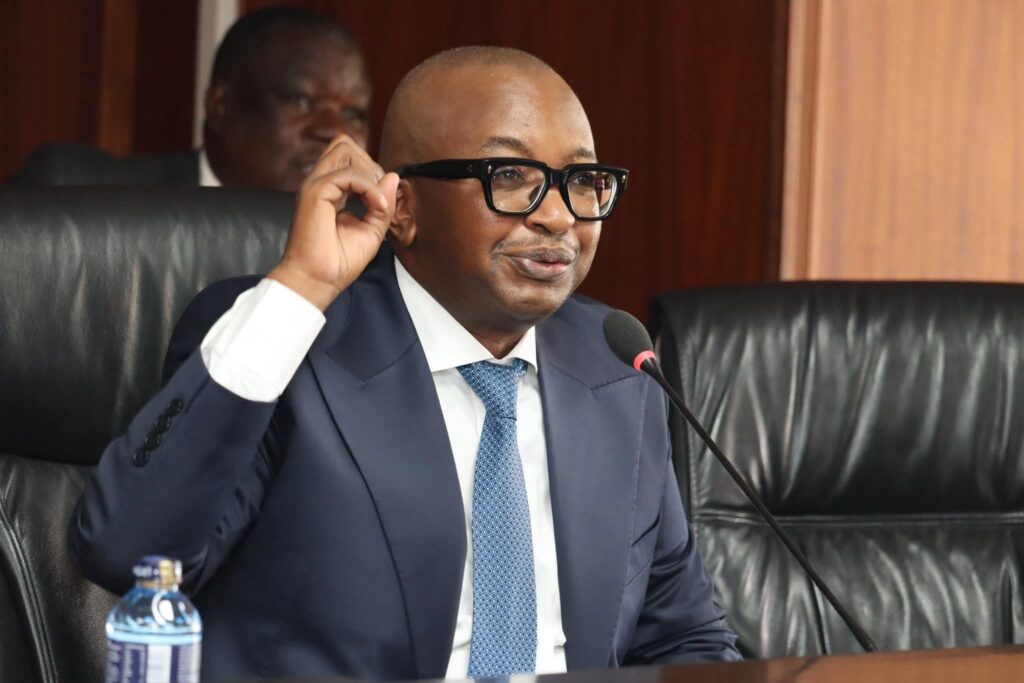
Documents presented to the committee reveal that under the FY 2025/2026 Supplementary Budget I, the housing programme has suffered a KSh 800 million reduction in donor funding—bringing the total allocation down from KSh 13.341 billion to KSh 12.541 billion. The PS cautioned that the cut will significantly disrupt implementation across the country.
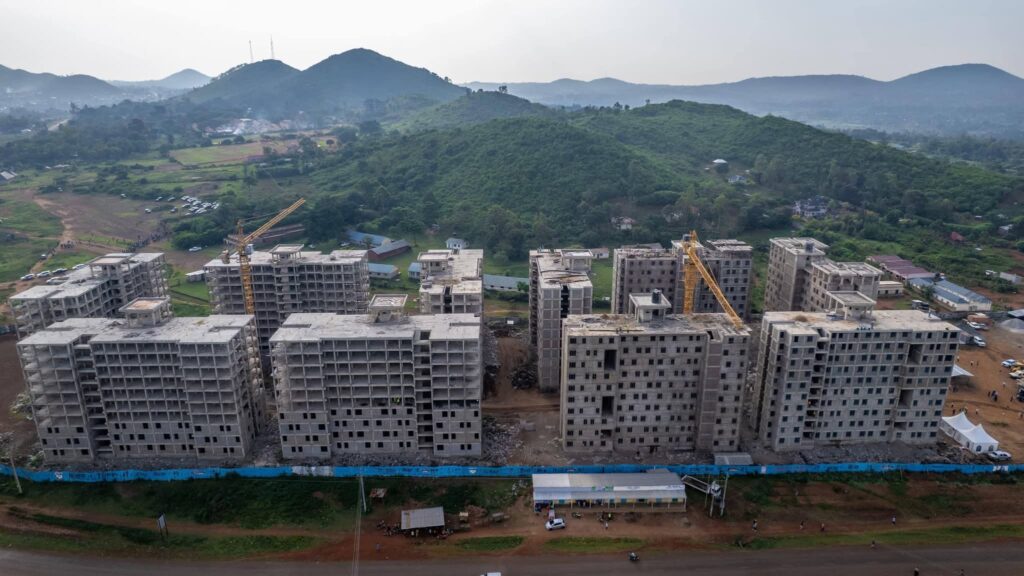
Hinga disclosed that the government is currently undertaking about 1,700 housing projects nationwide, many of which are now at risk. He also revealed a severe staffing shortage within the department, with some officers forced to work up to three shifts due to understaffing—raising concerns over efficiency and delivery timelines.
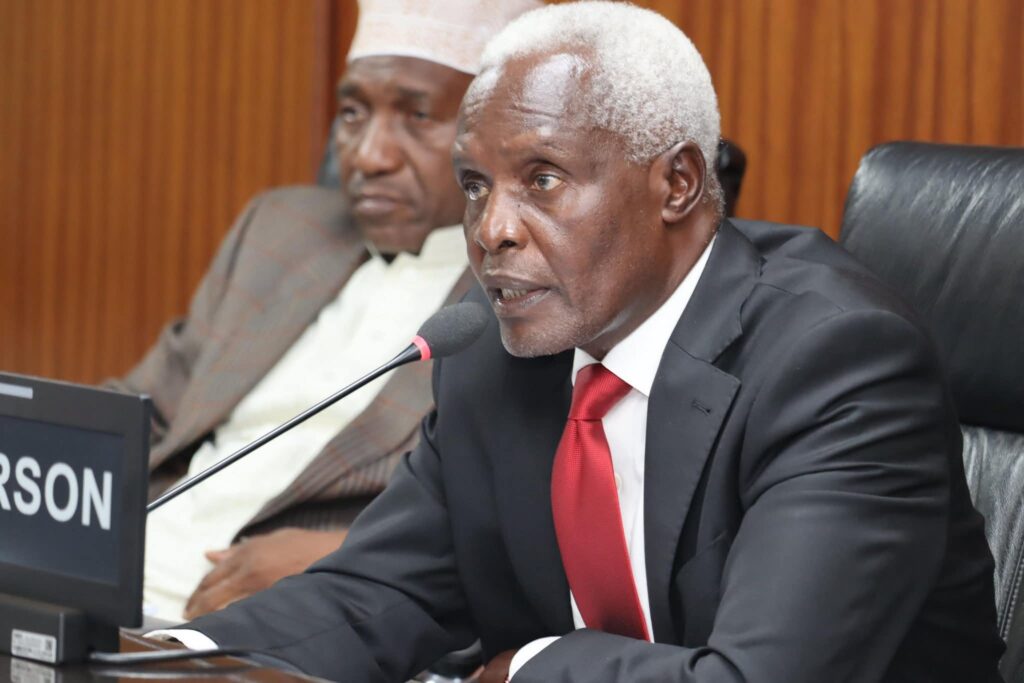
The committee, chaired by Vice Chairperson Mugambi Rindikiri, questioned whether the funding shortfall had been anticipated or was a result of poor planning, and why staffing gaps had not been addressed earlier.
In response, Hinga admitted that the department had anticipated the funding strain, noting that 80 percent of the allocated budget had already been utilized.
He added that attempts to cushion the deficit by saving funds in Treasury Bills had failed after the National Treasury declined access to the money. On the staffing crisis, the PS said a request for additional personnel had been submitted but was not approved, further compounding operational challenges.
The committee now plans to engage the Cabinet Secretary for the National Treasury and Economic Planning to seek clarification and possible intervention to prevent a full-blown crisis.
In a related session, Principal Secretary for Public Works Joel Arumonyang defended his department’s budget, citing a critical shortage of motor vehicles needed to effectively execute its mandate.
Lawmakers acknowledged that both departments are facing significant underfunding and pledged to explore urgent measures to bridge the gaps—amid growing fears that delays could derail one of the government’s most high-profile development programmes.
