


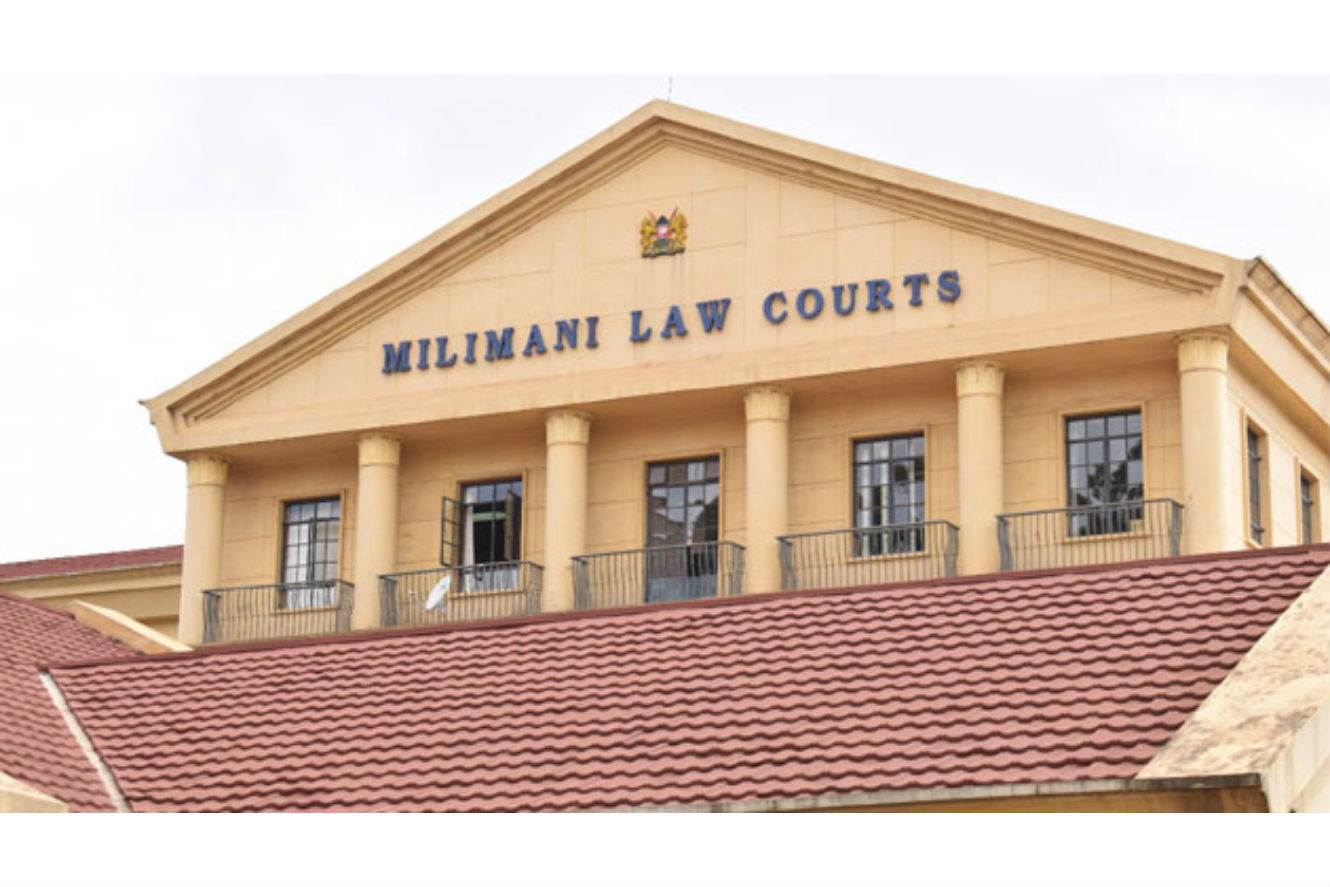
The Employment and Labour Relations Court has ruled that employers must provide clear and credible proof before dismissing an employee on allegations of workplace intoxication, after ordering an organisation to pay Ksh 494,000 to a former Project Coordinator for wrongful and unfair termination.
In a judgment delivered on July 31, 2025, the court found that The AVSI Foundation unlawfully terminated the employment of Olivia Chepwogen Chirchir after accusing her of returning from lunch intoxicated and unable to perform her duties.
The employer argued that it relied on staff accounts and internal disciplinary records to justify the decision. However, the court held that the accusations were not supported by any objective evidence. Justice B. O. M. Manani noted that the employer did not subject the claimant to any alcohol test or medical assessment to confirm intoxication.
The court further observed that the witness statements presented were inconsistent and conflicted with each other, significantly weakening the employer’s case.
Beyond the lack of proof, the court found that the disciplinary process leading to the dismissal was deeply flawed and failed to meet the standards of fairness required under the Employment Act. The judge noted that the claimant was never issued with a notice to show cause, was not informed that disciplinary action was being considered, and was called into a meeting without being told that her employment was at risk. As a result, she was denied a fair opportunity to respond to the allegations made against her.
The court concluded that the termination did not satisfy the legal tests of either substantive or procedural fairness.
While declining to reinstate the claimant to her former position, the court awarded her Ksh 370,800, equivalent to three months’ salary as compensation for unfair termination, along with Ksh 123,600 as salary in lieu of notice. This brought the total award to Ksh 494,400, subject to statutory deductions, together with interest at court rates and the costs of the suit.
The court, however, declined claims for medical expenses, general and exemplary damages, and accrued leave pay, finding that they had not been sufficiently proved.
The ruling sends a strong message to employers that allegations of intoxication at the workplace cannot be based on suspicion, hearsay, or internal opinion. Where such claims are made, the burden lies squarely on the employer to prove intoxication and follow due process before terminating an employee’s contract.
