


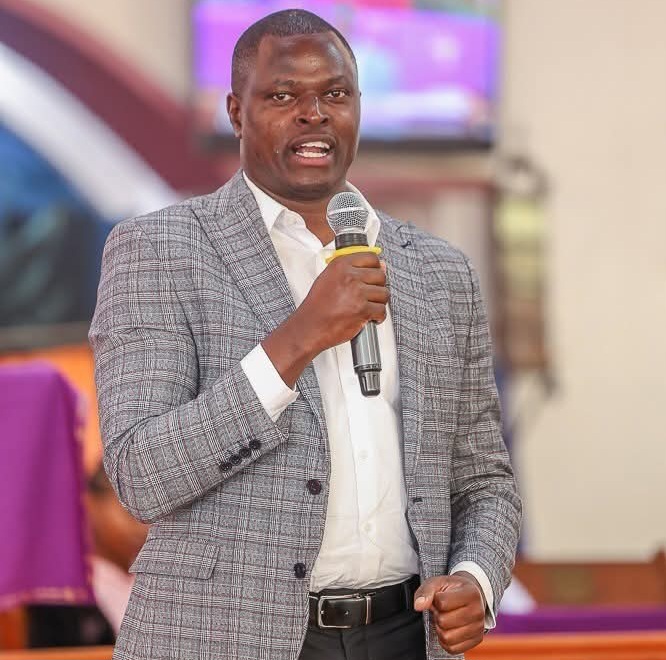
Kiharu MP Ndindi Nyoro has sharply opposed government proposals to increase Day Secondary School fees by 100% beginning January 2026, warning the move would impose a punishing financial burden on families already struggling under the high cost of living.
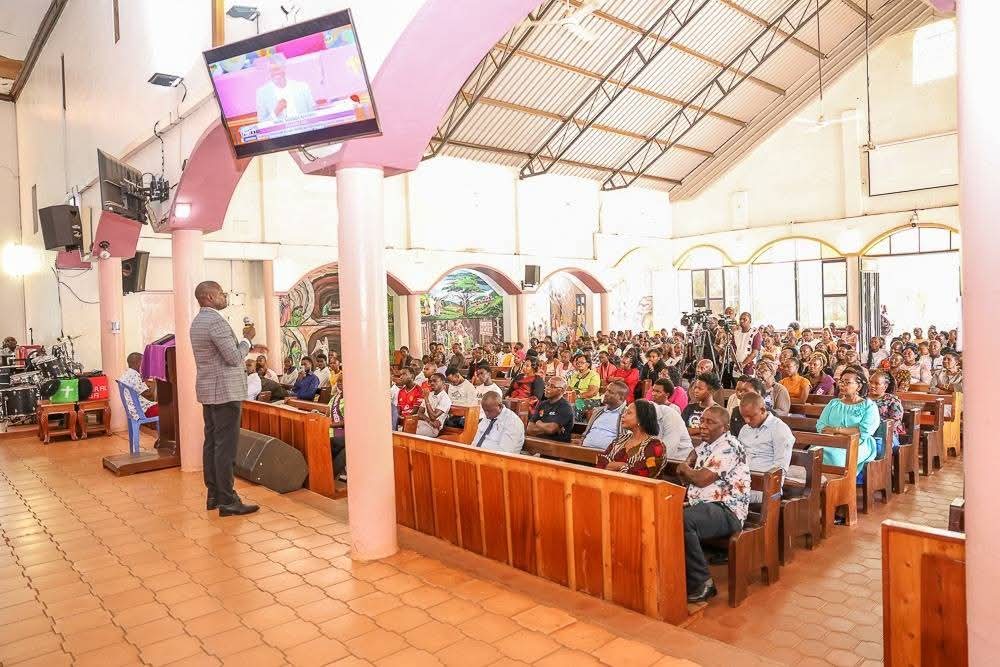
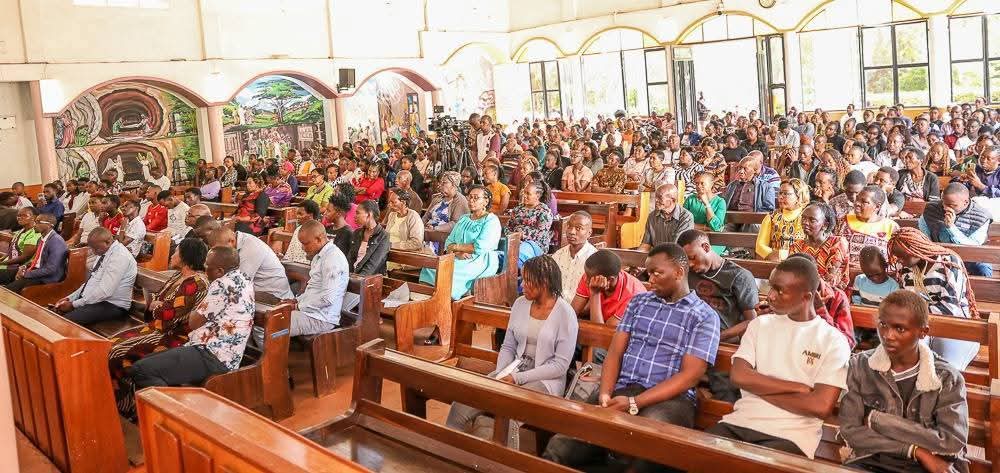
Speaking during a Youth Sunday service at ACK St James & All Martyrs Cathedral Murang’a, Nyoro insisted the plan must be abandoned, saying doubling school fees would lock out thousands of children from accessing basic education.
“Plans to increase Day Secondary School fees must be stepped down. Education is the only equalizer for our children,” he said.
Nyoro also demanded the government confirm all 20,000 Junior Secondary School interns on permanent and pensionable terms starting January, arguing that the country cannot continue relying on an underpaid and demoralized teaching workforce. He described the interns as “great Kenyans” whose service must now be honored with job security and dignity.

The MP further waded into the ongoing discussion on the planned sale of government shares in Safaricom PLC, cautioning that the process — reportedly drawing interest from a South African tech giant — must be transparent, competitive, and designed to secure maximum value for Kenyans.
“The sale of the GoK stake in Safaricom must be done competitively for Kenya to get optimum value,” he said, warning against any insider deals or single-bidder arrangements.
Nyoro’s remarks come amid heightened public scrutiny over state divestiture plans, with Safaricom being the most high-value asset under review. Economists and civil society groups have raised concerns that a rushed or opaque transaction could undermine national interests.
During the church service, Nyoro commended youth across the Anglican Diocese for their central role in the country’s renewal, reaffirming his signature message:
“We applaud all young people for being critical pillars in rejuvenating our country. We are African and Africa is our business.”
The MP’s strong stance adds fresh pressure on the government as debates intensify over education financing, teacher welfare, and management of strategic national assets.
