


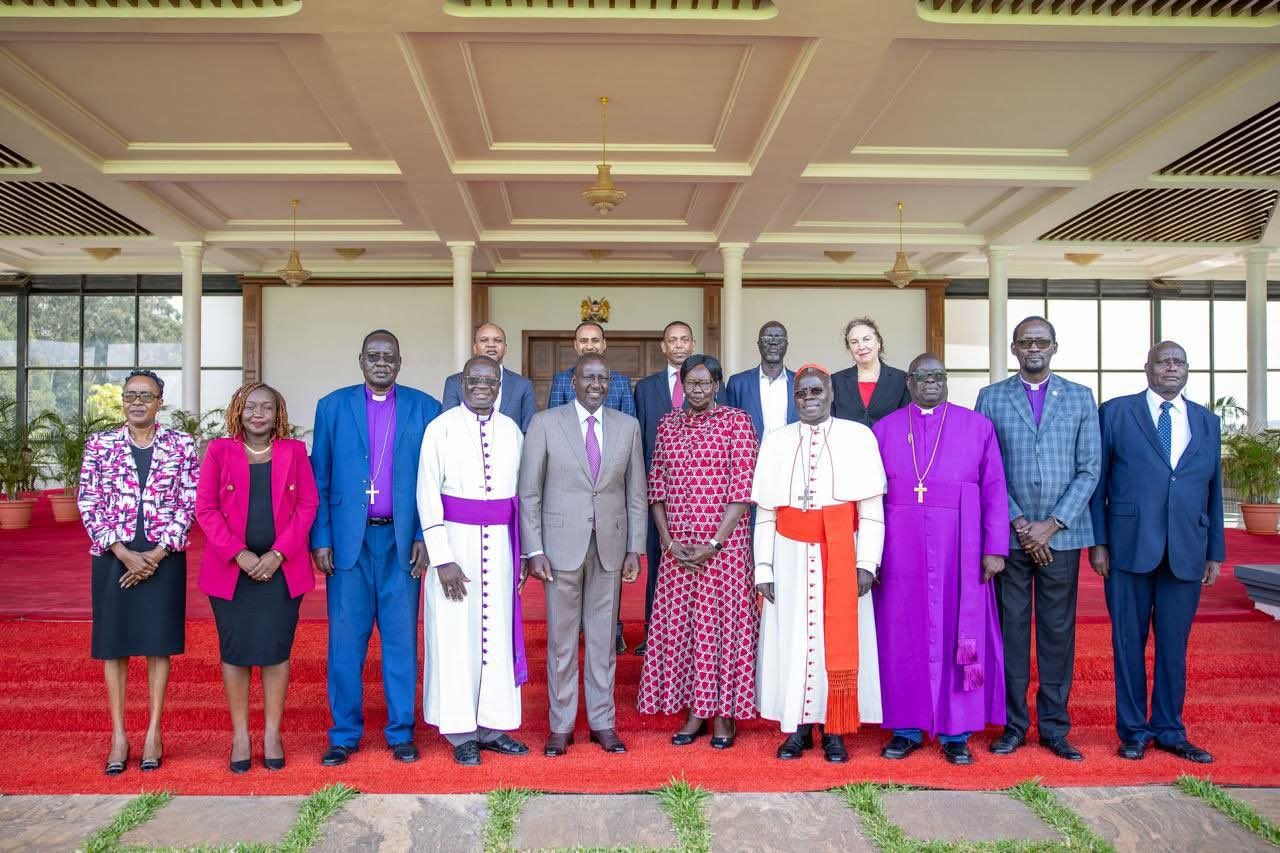
President William Ruto today received a delegation from the South Sudan Council of Churches at State House, Nairobi, in a meeting aimed at supporting peace, constitutional reforms, and preparations for South Sudan’s 2026 elections.
The meeting comes just days after South Sudanese President Salva Kiir dismissed his Deputy, Benjamin Bol Mel, in a move that stripped him of his party and military ranks. Bol Mel had been widely regarded as a potential successor to Kiir, and his sudden removal has raised concerns about deepening divisions within the country’s ruling elite.
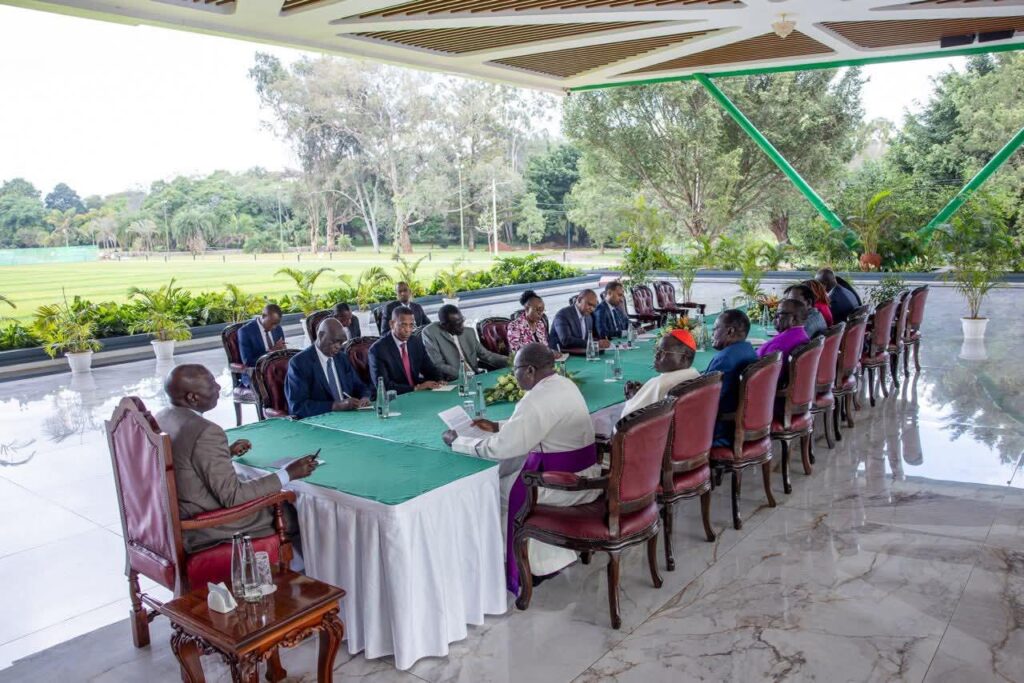
During the Nairobi discussions, church leaders briefed President Ruto on the fragile situation back home and called for strengthened dialogue, accelerated progress on the constitution-making process, and support for peaceful elections in 2026. In response, President Ruto reaffirmed Kenya’s commitment to regional peace, emphasizing the critical role of inclusive dialogue and democratic governance. “A peaceful and prosperous South Sudan is essential for the progress of our region,” Ruto said.
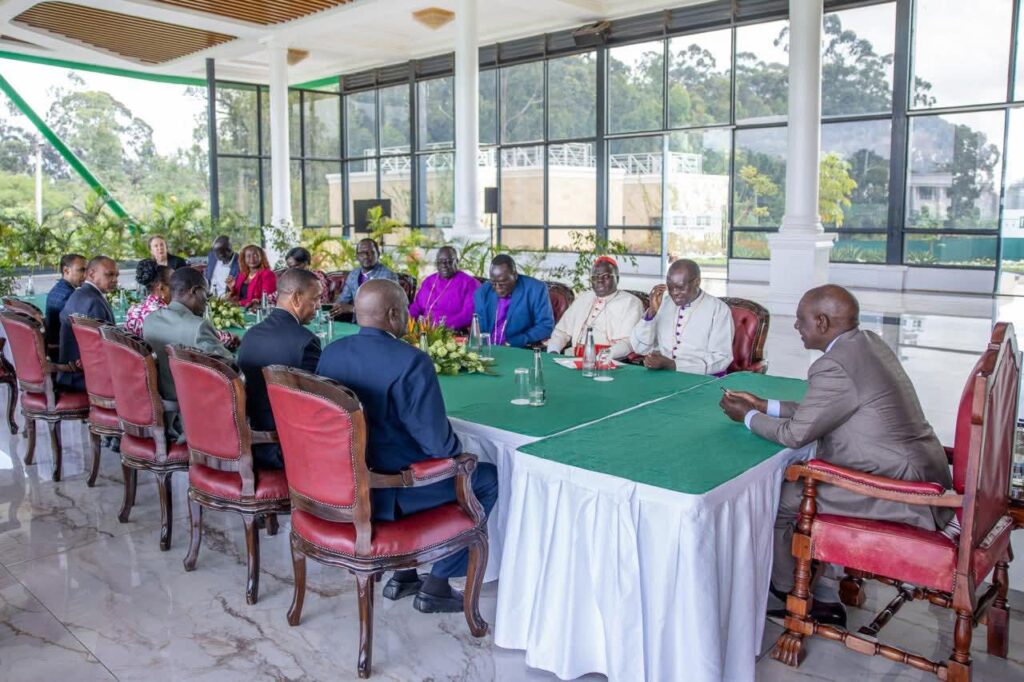
Kenya has long played a mediating role in South Sudan’s peace efforts, including initiatives like the Tumaini Peace Initiative, which brings together South Sudanese leaders to implement the 2018 revitalized peace agreement (R-ARCSS). Ruto’s engagement with the church delegation highlights the influence of religious actors in peacebuilding, particularly in a country where faith-based institutions have significant social reach.
The timing of the visit underscores regional concerns: with Bol Mel’s dismissal, questions about succession and political stability have intensified. Although the 2018 peace deal formally ended years of civil war, key provisions — including security sector reform and decentralization — remain only partially implemented. With general elections scheduled for December 2026, ensuring a credible, inclusive, and peaceful political process is increasingly urgent.
Kenya’s continued role in mediating South Sudan’s internal conflicts signals its strategic interest in stability across the region, with both security and economic stakes tied to the outcome. While the church leaders’ visit and Ruto’s pledges are significant, the road ahead for South Sudan remains challenging, requiring political will, institutional capacity, and careful diplomacy to navigate the uncertainties of succession and electoral preparation.
