


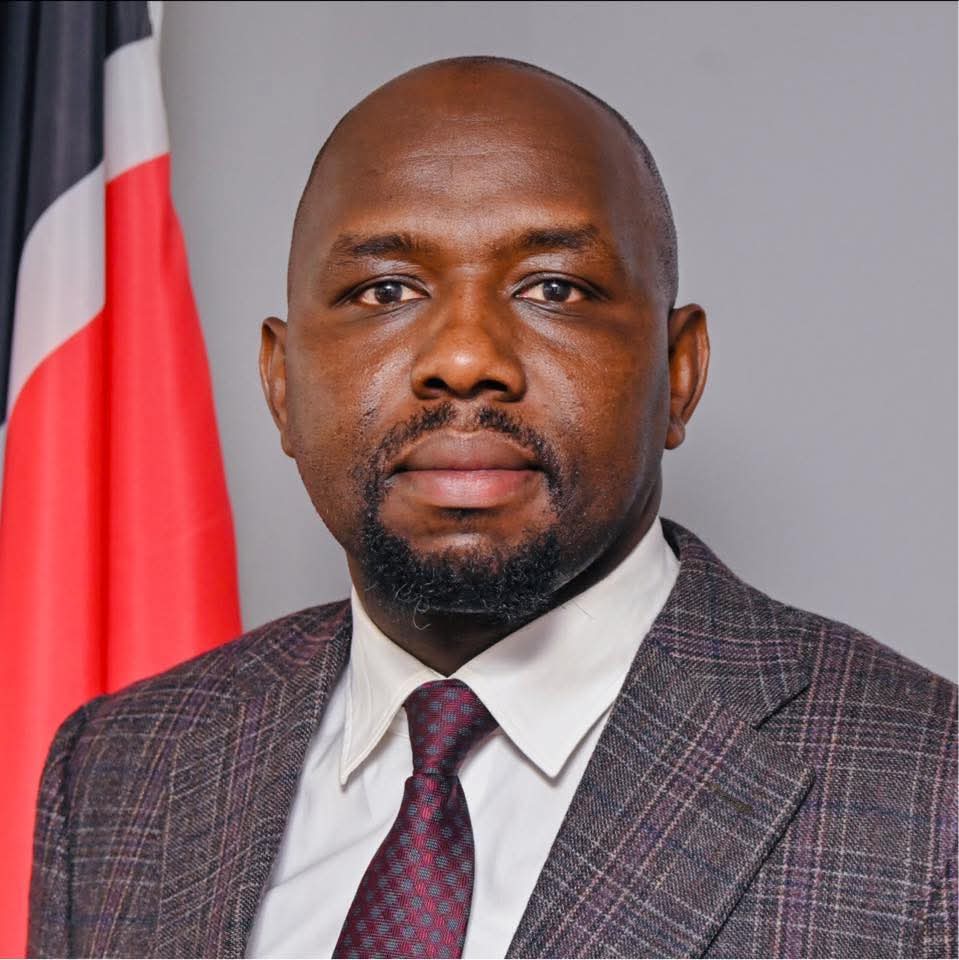
Human rights groups have filed a petition at the High Court seeking the immediate removal of Interior Cabinet Secretary Kipchumba Murkomen, terming him “unfit to hold public office” over his recent controversial ‘shoot to kill’ directive issued to security forces amid growing anti-government protests.
The petitioners, a coalition of civil rights lobby groups, argue that Murkomen’s remarks not only contravene the Constitution but also amount to a direct incitement to extrajudicial killings. The groups are demanding a public apology from the CS and the institution of disciplinary proceedings.
“The right to life is non-negotiable, and no Cabinet Secretary has the legal or moral authority to order state agents to execute citizens,” said one of the petitioners outside Milimani Law Courts.
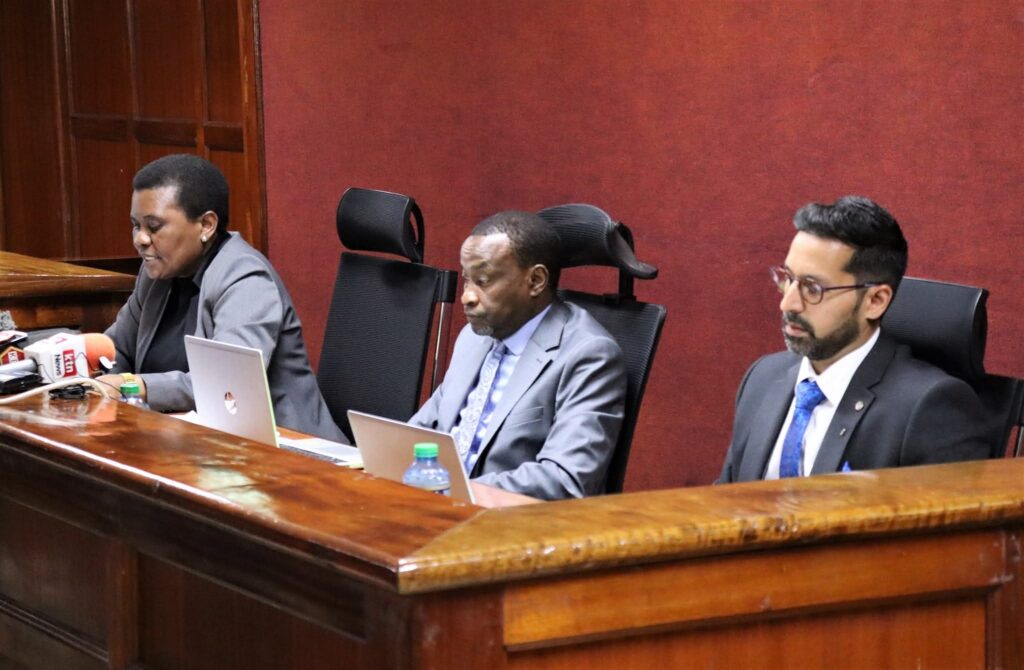
This comes even as the legal drama surrounding the tragic death of blogger and political commentator Albert Ojwang while in police custody took a new turn on Tuesday.
An application that sought conservatory orders barring Deputy Inspector General Eliud Lagat from accessing his office, executing his duties, or using any National Police Service (NPS) facilities has been withdrawn.
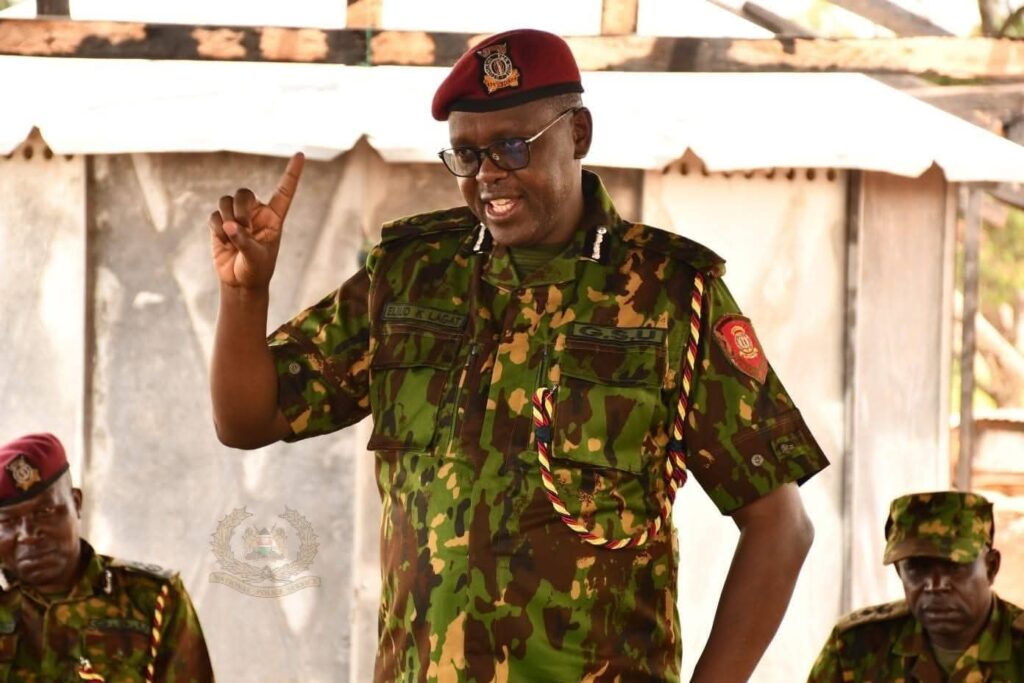
The application, which was tied to ongoing investigations into Ojwang’s death, was dropped after the court was informed that the matter had been “overtaken by events.” Justice Diana Kavedza allowed the withdrawal and directed that any further developments be handled through standard investigative channels.
The withdrawal sparked mixed reactions, with some activists questioning whether justice for Ojwang is slowly being buried under political pressure and legal maneuvering.
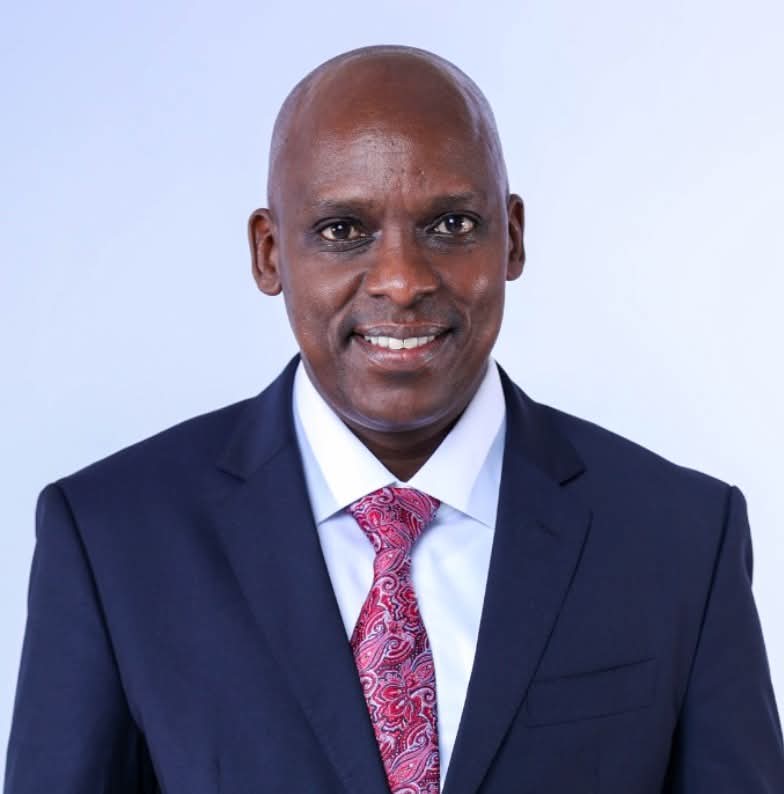
Elsewhere, Communication Authority of Kenya (CA) Director General David Mugonyi has broken his silence amid backlash over claims that his office had instructed media houses to stop live coverage of protests.
In a press statement, Mugonyi denied issuing such orders, insisting that his directive was merely to “halt the airing of disturbing scenes that may incite public disorder.”
“There was no attempt to gag the media. Our concern was with the graphic nature of the footage being broadcast, which posed a risk to national cohesion,” he said.
However, media watchdogs and opposition figures maintain that the CA’s actions border on censorship, accusing the government of attempting to stifle press freedom during a time of intense public scrutiny.
The three developments have further fueled public anxiety over state accountability, media freedom, and the safety of citizens in the hands of security forces, as the country grapples with a wave of protests and calls for reform.
