


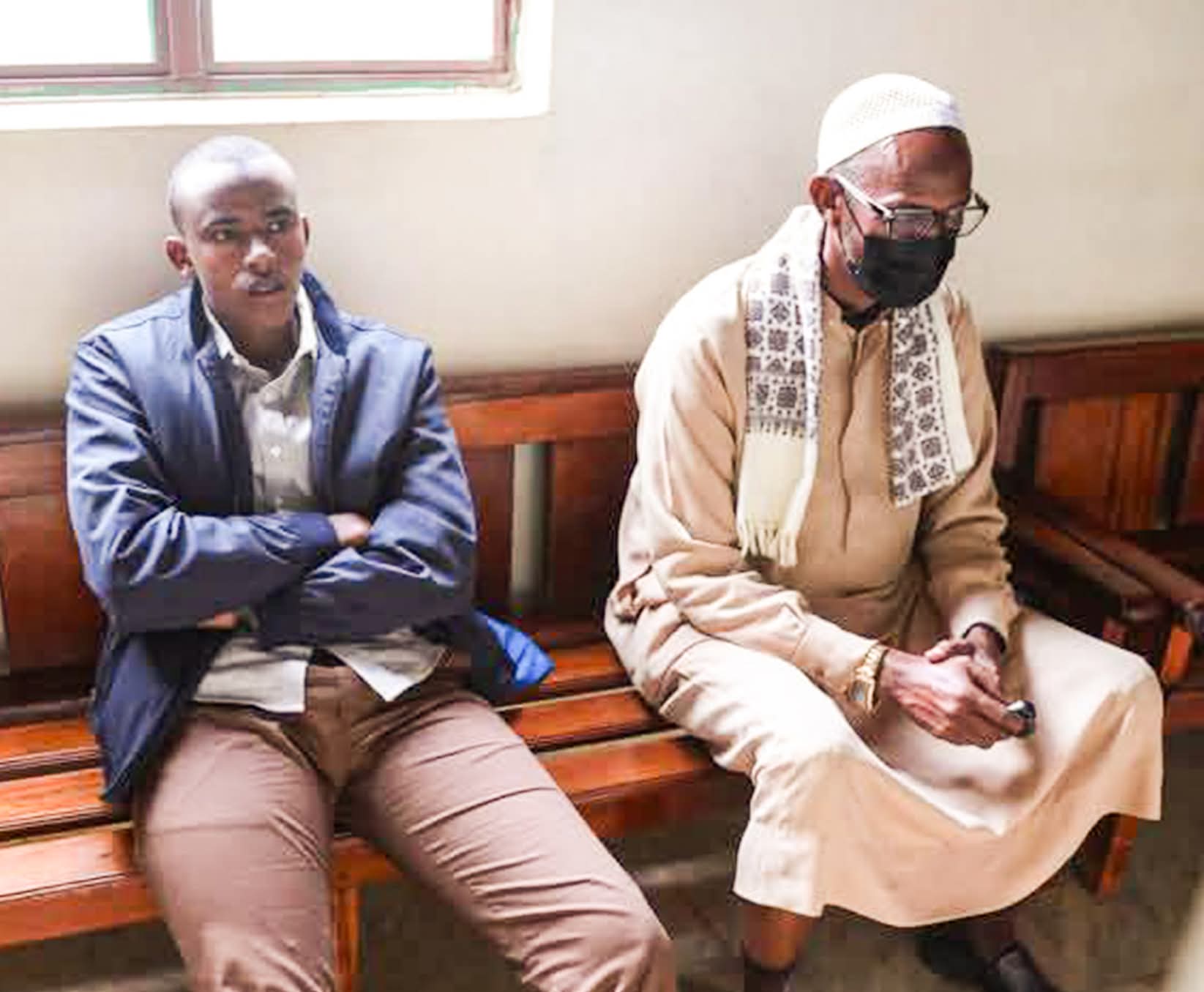
In a landmark judgment that echoes far beyond the walls of Kahawa Law Courts, justice has finally caught up with two men behind one of Kenya’s darkest terrorist attacks—the 2019 Al-Shabaab assault on Dusit D2 Hotel Complex in Nairobi that left 21 people dead and many more scarred for life.

The court sentenced Mohamed Abdi Ali, a 61-year-old madrassa teacher, to 30 years in prison, and Hussein Mohamed Abdille Ali, a 22-year-old accomplice, to 30 years as well, in a ruling delivered by Hon. Lady Justice Diana Kavedza on Thursday.
Mohamed was convicted on 14 counts of facilitating a terrorist act, each earning him 15 years to run concurrently, alongside an additional 15 years for conspiracy to commit a terrorist offence. Hussein will serve two consecutive 15-year sentences—one for conspiracy, and the other for facilitation.
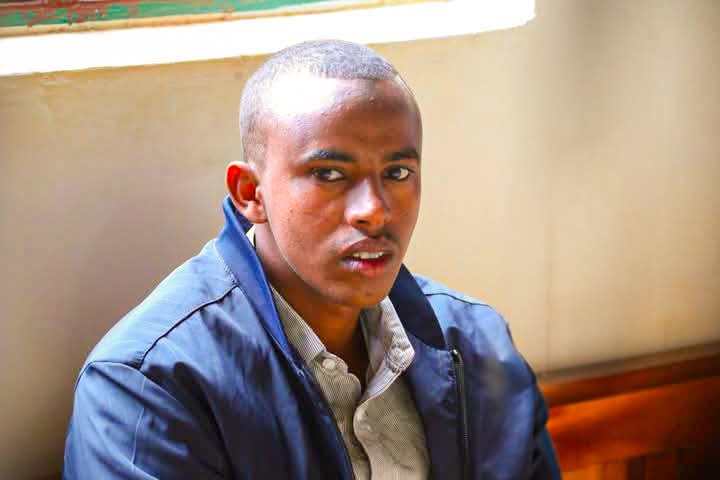
“These men were not just sympathizers—they were enablers of mass murder. Their prison sentence is not just punishment. It is a message,” Justice Kavedza said in her emotionally charged ruling.
The prosecution, led by Assistant Director of Public Prosecutions Duncan Ondimu, OGW, and his team, presented an air-tight case with 45 witnesses, including survivors, security experts, forensic analysts, and grieving family members whose testimonies painted a chilling picture of the events of January 15, 2019.
Among the most gut-wrenching moments in court was the victim impact statement by American national Joseph Spindler, whose son Jason Spindler, a celebrated businessman and 9/11 survivor, perished in the attack.
“Jason deserved a future, not a grave marked by the shrapnel from a terrorist’s suicide vest,” Spindler told the court. “I am not here for revenge but for justice.”
Court records showed the devastating ripple effects of the attack. Prior to the incident, the Dusit complex thrived with 100% occupancy and 2,500 daily visitors. After the bloodbath, numbers plummeted to 55% occupancy and just 200 daily visitors, crippling businesses and rendering many jobless.
One survivor reportedly lives with bullets lodged in his body, incurring soaring medical costs and trauma that lingers six years on.
The Director of Public Prosecutions (DPP) had urged the court to impose consecutive sentences to reflect the weight of the crime and deter future terrorism. Lady Justice Kavedza obliged, declaring:
“Kenyans remember the fear, the pain, the trauma—but also the courage. This judgment speaks for the survivors who still carry those wounds.”
The case is hailed as a milestone in Kenya’s anti-terrorism justice system. Justice Kavedza acknowledged the efforts of investigators, saying:
“This was one of the most extensive counter-terrorism investigations in Kenya’s history—tracking not just the attackers but their financiers, handlers, and enablers.”
With the gavel now struck and the verdict sealed, the sentence delivers a semblance of justice for the victims—those buried, those broken, and those still healing.
