


In a move that has reignited national debate over political donations to religious institutions, President William Ruto has pledged a substantial Sh20 million towards the construction of the Jesus Winner Ministry church in Roysambu, Nairobi County. Additionally, he committed an extra Sh100 million to ensure the project’s completion.
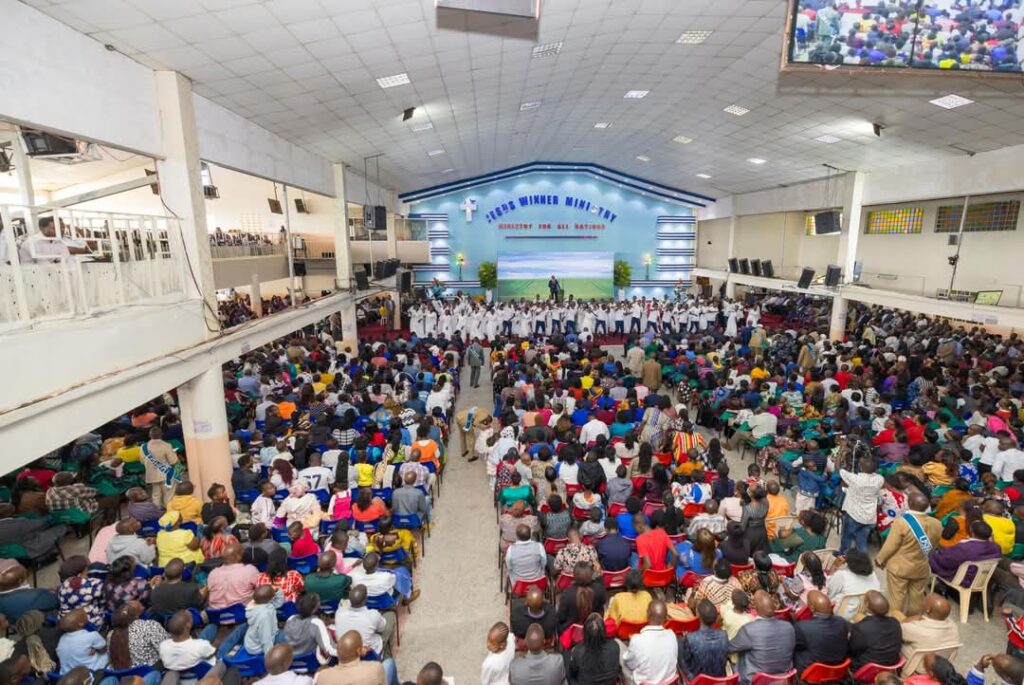
This announcement comes amid growing public concern over the influx of funds from politicians into churches, with many questioning the sources and intentions behind such generous contributions. Critics argue that these donations may serve as avenues for money laundering or as attempts to unduly influence religious communities for political gain.
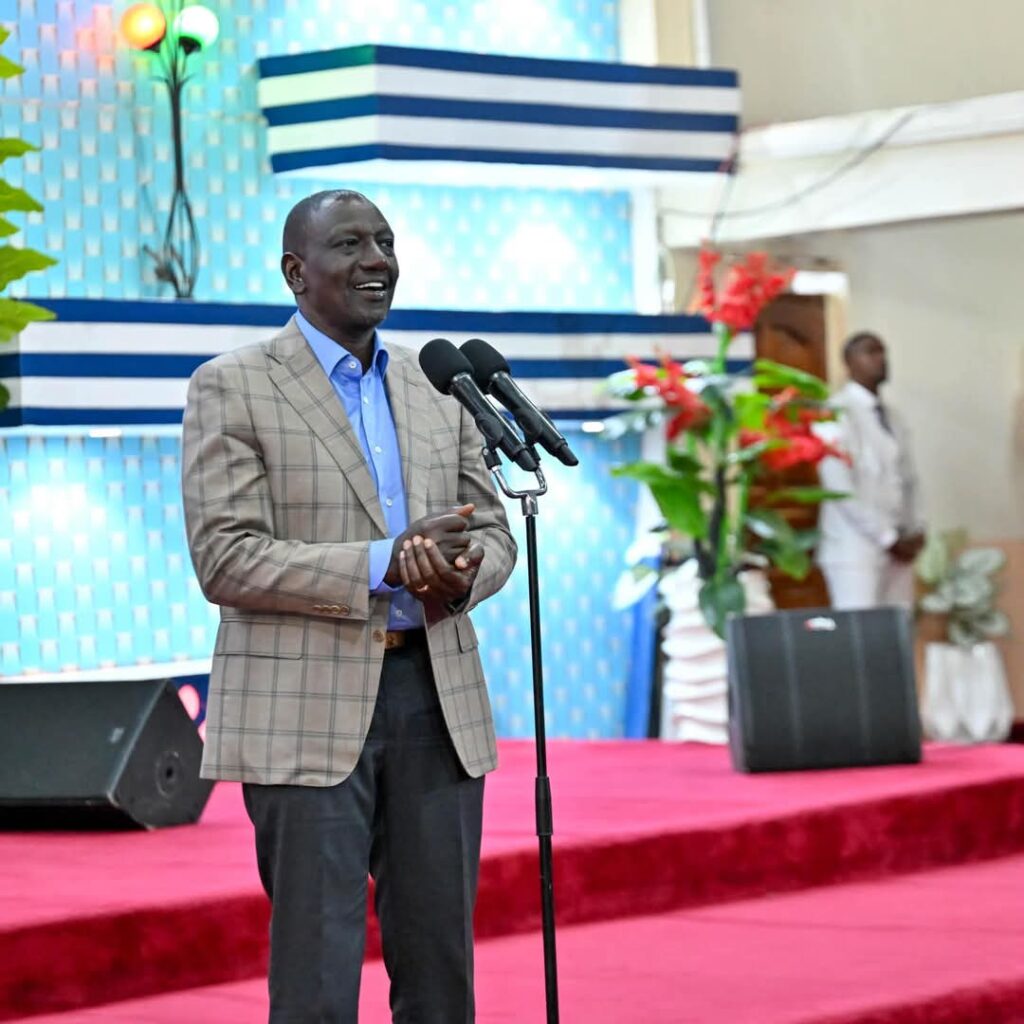
The controversy surrounding political donations to churches is not new. In November 2024, the Catholic Archdiocese of Nairobi made headlines by rejecting a KSh 5.6 million donation from President Ruto. Archbishop Philip Anyolo cited directives from the Kenya Conference of Catholic Bishops (KCCB) that discourage political donations to churches and the use of church events for political self-promotion. The church emphasized the need to maintain its independence and avoid any actions that might compromise its integrity.
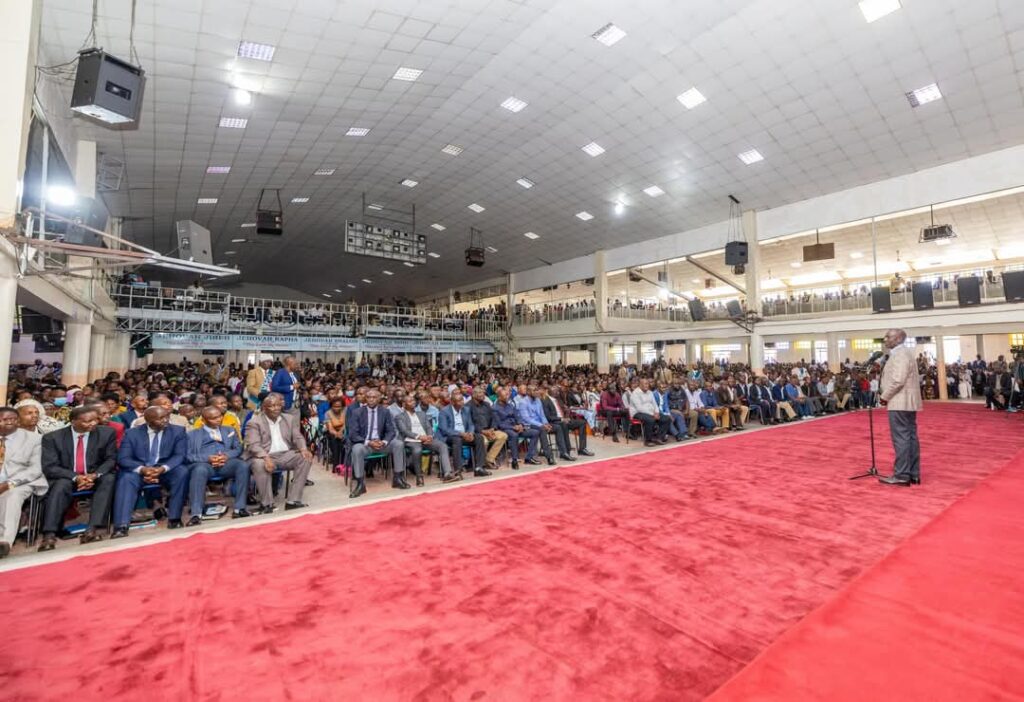
The Jesus Winner Ministry has previously been at the center of similar debates. In June 2022, the church faced public outrage after displaying images of then-Deputy President Ruto during a worship service, leading to accusations of idol worship and the politicization of religious spaces.
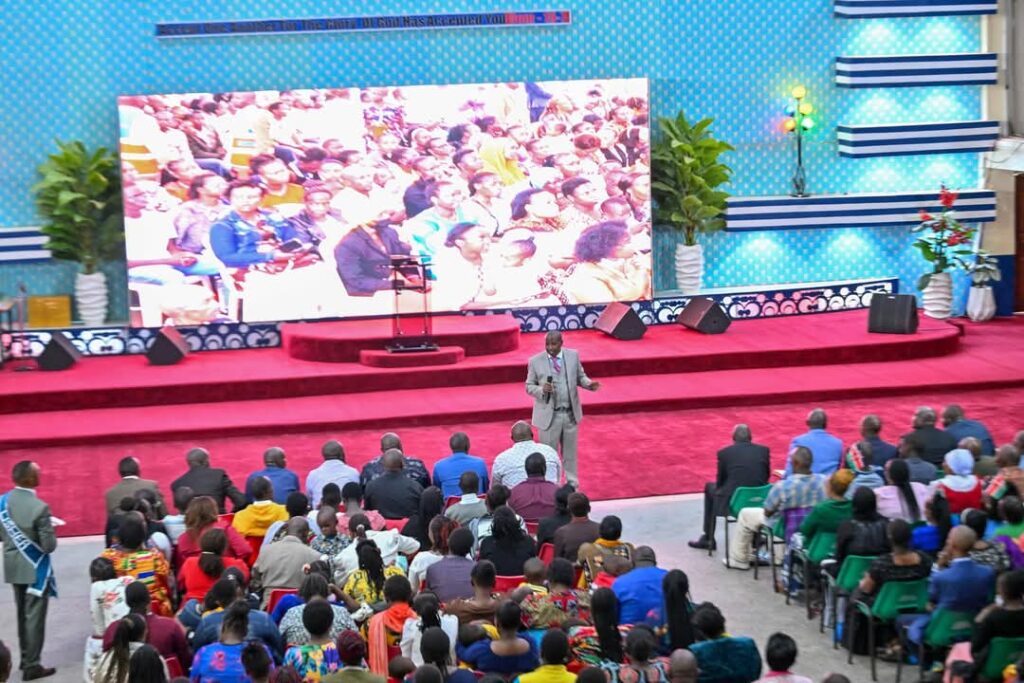
With President Ruto now committing a total of Sh120 million to the Roysambu-based church, the debate over political donations to religious institutions is set to intensify. While supporters view these contributions as acts of goodwill and support for community development, critics see them as potential threats to the sanctity and independence of religious establishments. The ongoing debate underscores the need for clear guidelines on
