



Nandi Senator Samson Cherargei has proposed stringent measures to combat sexual violence in Kenya, advocating for the castration of rapists. He emphasizes that such severe punishment is necessary to deter perpetrators, particularly in light of the alarming instances where mentally unstable women are sexually abused and impregnated.
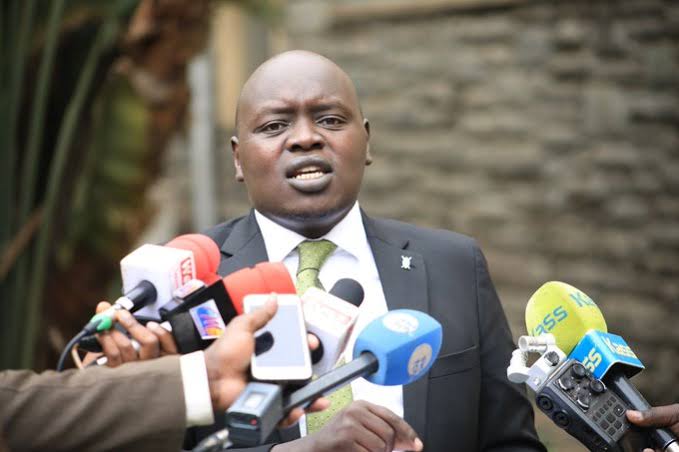
The issue of sexual abuse against mentally ill women in Kenya is a pressing concern. Reports indicate that these vulnerable individuals are often targeted because they cannot defend themselves. Margaret Oketch, a Siaya County Assembly member representing persons with disabilities, has raised alarms over the rampant sexual abuse of mentally ill individuals. She noted that perpetrators exploit their vulnerability, repeatedly abusing them with impunity.
To address the broader issue of sexual and gender-based violence (SGBV), the Kenyan judiciary has implemented specialized initiatives. The establishment of the country’s first SGBV court aims to provide better solutions for managing offenders and ensuring justice for survivors.
Senator Cherargei’s proposal has ignited a national debate on the most effective and ethical methods to deter sexual violence. While some support harsher penalties like castration, others advocate for comprehensive approaches, including education, societal change, and robust legal frameworks to protect vulnerable populations.
Addressing the sexual abuse of mentally unstable women requires a multifaceted strategy, including enforcing existing laws, raising public awareness, providing support services for survivors, and ensuring that perpetrators are held accountable. Collaborative efforts between government entities, non-governmental organizations, and communities are essential to create a safer environment for all individuals, regardless of their mental health status.
